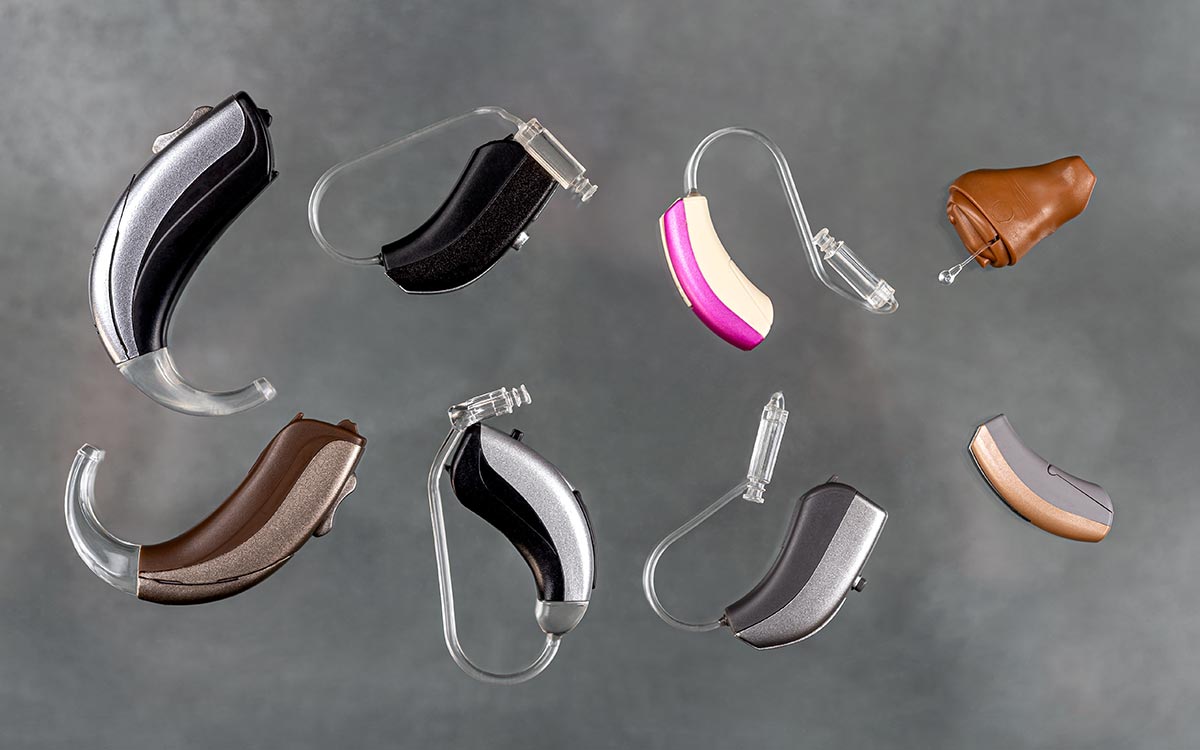
Choosing a hearing aid can feel daunting, especially when today’s units come in so many styles, sizes, and technology levels. But regardless of your needs, there’s an auditory solution for every lifestyle, preference, and degree of hearing loss or tinnitus. It’s just an issue of locating it!
Understanding the differences among the most popular types of hearing aids can help you feel more informed and confident as you explore your options. In this analysis, we glance at current styles and the unique characteristics that define them.
ITC (In-the-Canal) Hearing Solutions
The Design:
These hearing aids are positioned partly inside the canal, making them visible only slightly from the outside.
Key Primary Points:
- Offers a smaller profile than bulkier behind-the-ear unit
- s
- Custom-molded for ease
- Suitable for mild to medium hearing loss
First-time wearers often gravitate toward ITC aids because they strike a perfect compromise between size and performance.
Invisible-in-Canal (IIC) Hearing Aids
Core Characteristics:
As the most discreet custom selection, IIC aids represent the smallest available style. They are inserted deep within the canal to remain hidden from view.
User Pros:
- Offers the most subtle look of any hearing aid style
- Natural sound quality due to mic placement
- Featherweight and comfortable
Because of their tiny stature, IIC devices typically work best for mild to moderate hearing loss and for those who prefer a nearly invisible option.
Understanding In-the-Ear (ITE) Devices
Structural Data:
ITE devices are built to stay in the outer ear area, offering two different shell sizes based on your anatomy. They are custom-made to match the contours of your ear.
Why users select them:
- The increased surface space provides space for extra functionality and extended power
- Easier to manage for those with dexterity challenges
- Capable of providing sufficient power for extreme hearing needs while remaining in-the-ear
The all-in-one style of the ITE design makes it a favorite for those who dislike behind-the-ear equipment.
BTE (Behind-the-Ear) Essentials
Description:
A BTE hearing aid is worn externally behind the ear for a stable fit. Audio travels through a dedicated tube or custom-fit mold into the ear opening.
Key Strengths:
- Very flexible and durable
- Can be set to help users with everything from mild to profound loss
- The spacious casing allows for high-tech extras and built-in power cells
For those who prioritize a reliable device that is easy to manage and provides plenty of volume, BTE is an excellent choice.
Modern RIC Devices
Component Structure:
RIC hearing aids look similar to BTE models, but the speaker (receiver) sits inside the ear canal rather than inside the device behind the ear.
Market Appeal:
- Very natural sound quality
- Offers a very low-profile look that is easy for almost everyone
- Flexible enough to treat a broad number of hearing impairments
RIC devices are one of today’s most popular models, thanks to their blend of comfort, aesthetics, and performance.
Understanding Extended-Wear Systems
Introduction:
These unique aids are built to stay in the ear canal for an extended period or more, managed by your hearing specialist.
User Incentives:
- Provides an effortless journey with no daily maintenance required
- Offers a 100% discreet solution for hearing health
- You can go about your entire life—including sports and rest—while wearing them
For a “hands-off” method of auditory assistance, extended-wear technology is the top recommendation.
Bluetooth-Enabled Hearing Aids
What they are:
Auditory aids with wireless connectivity that pair with smartphones, tablets, computers, and sometimes TVs.
Why people select them:
- Allows for crystal-clear phone calls and media streamed directly to the device
- Gives you the power to fine-tune your volume and programs via an electronic app
- Improved ease for modern lifestyles
This wireless technology is located in most modern behind-the-ear and in-the-canal models.
Surgically Placed Middle-Ear Systems
Procedure Info:
Middle-ear implants are specialized tools that employ mechanical vibration to enhance hearing via the middle ear.
Why patients choose them:
- Option for people who cannot use traditional hearing aids
- Solves the issue of ear discomfort caused by regular hearing aids
Middle-ear implants are usually recommended only after an exhaustive evaluation by an ENT specialist.
Your Path to Improved Sound
Selecting an instrument is an individualized journey that takes into account your hearing test results, hearing severity, lifestyle habits, and visual preferences. A hearing care professional can guide you through your options, answer questions, and help you experience how different devices look and feel.
Take the initiative for your hearing health by booking a professional evaluation today. This simple step is the basis for improved hearing and better connections with those around you.
Sources:
https://www.mayoclinic.org/diseases-conditions/hearing-loss/in-depth/hearing-aids/art-
20044116
https://www.hearinglife.com/hearing-aids/types
https://www.nidcd.nih.gov/health/hearing-aids