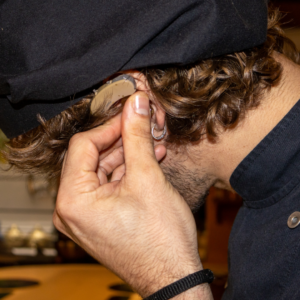

The impact of hearing loss continues well past the physical office threshold. For many people, it affects meetings, phone calls, teamwork, and confidence long before anyone else notices.
Understanding the intersection of hearing loss and professional duties is essential for anyone experiencing these hurdles or overseeing affected personnel.
Hearing Loss and Work Issues: The Impact
The presence of hearing loss at work is frequently marked by subtle indicators. Beyond basic volume, the condition impacts word recognition, efficiency, and the energy required to listen.
Standard workplace obstacles for those with hearing challenges include:
- Trouble staying engaged during meetings, specifically within group dynamics
- Difficulty deciphering verbal input during virtual syncs or phone conferences
- Incorrectly capturing task details or project timelines
- Increased listening fatigue by the end of the day
- Shunning group projects or hesitating to share ideas
- Increased feelings of tension, annoyance, or professional anxiety
Over time, these issues can affect performance reviews, career growth, and job satisfaction, even when the employee is otherwise highly capable.
Is Concentrated Listening an Effective Solution?
Many people with hearing loss compensate by concentrating intently, reading lips, or mentally filling in gaps. While this “works” in the short term, it’s also exhausting.
This sustained strain often results in:
- Lowered focus on core work activities
- Reduced speed in handling information
- More frequent lapses in precision
- Total mental fatigue
Resolving hearing difficulties early is rooted in proactive strategies and career longevity.
Workplace Hearing Issues and Understanding ADA’s Role
According to the ADA in the United States, hearing loss qualifies as a disability when it impacts the ability to communicate effectively.
As a result, staff may be eligible for practical accommodations that facilitate performance without modifying fundamental job roles.
Essential facts to remember involve:
- Qualifying for support does not necessitate a high degree of auditory loss
- Workplace help should be specifically aligned with the employee’s role
- Businesses are expected to engage in a shared problem-solving approach
Knowing your rights (or your responsibilities as an employer) creates a foundation for better outcomes on both sides.
Standard Workplace Support for Hearing Impairment
The right accommodation depends on the job, environment, and individual needs. Many of these adjustments are easy to implement, low-cost, and significantly improve performance.
Examples of common hearing loss at work accommodations include:
- Technological aids designed to enhance meeting and phone audio
- Real-time text display for digital conferences
- Live speech-to-text applications
- Telephones equipped with amplification or live captioning
- Utilization of sound-controlled spaces or optimized seating positions
- Digital logs used to confirm verbal task details
- Visual alerts instead of auditory signals
- Adaptive messaging channels like IM, email, and collaborative files
Frequently, minor changes result in major gains regarding understanding and poise.
Managing Auditory Health for Career Achievement
When workplace hearing issues are overlooked, workers often pull back, exert excessive effort, or feel ignored. This pattern often compromises team synergy and employee loyalty.
On the other hand, taking initiative with accommodations:
- Refines professional communication and output reliability
- Decreases listener fatigue and emotional stress
- Supports inclusion and morale
- Facilitates performance that reflects the employee’s real talent
Taking initiative early fosters a workspace where all individuals can succeed.
Navigating Conversations Regarding Auditory Support
Starting the conversation can feel intimidating. Many people worry about stigma or appearing less capable.
Productive ways to frame the request consist of:
- Centering the talk on workflow success instead of disability
- Noting precise scenarios that require additional tools
- Highlighting how adjustments fuel shared goals and performance
- Leading with actionable answers to the challenges you face
Your medical team can provide the necessary documentation and suggest effective office tools.
Why Hearing Wellness is a Career Strategy
Your ability to hear well is a cornerstone of effective communication, leadership, and job enjoyment. Given the necessary accommodations, individuals with hearing challenges thrive in every profession.
If hearing challenges are affecting your work, you’re not out of options. Addressing hearing loss at work through thoughtful accommodations is a powerful step toward clearer communication, stronger performance, and a healthier workday.
If you want to explore ways to protect your hearing at work, reach out to our clinic today. Working together, we can ensure you have the hearing support needed for professional excellence.