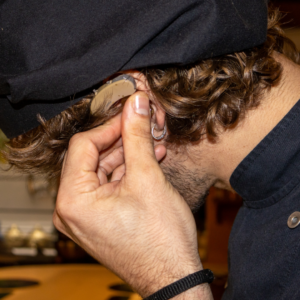

Properly fitted hearing aids are constructed to alleviate your particular hearing loss needs. No matter if you recently acquired hearing aids or have relied on them for decades, should your hearing aids generate headaches or any form of soreness, effective options exist. An accurately calibrated hearing aid should rest comfortably inside your ear canal while delivering tailored sound amplification for your everyday requirements. If your device falls short of these standards, ensuring you own the right model of hearing aid and having it tuned by a hearing instrument specialist is crucial.
Recognizing when your hearing aid needs a clinical adjustment
In the event your hearing aids lack adequate physical fitting, hearing aids cause headaches, are handled improperly, or haven’t been tuned recently, specific symptoms often surface:
Defective Acoustic Performance. Hearing aids that lack expert adjustment can excessively boost sharp noises, generating distressing screeching tones that stress your delicate hearing structures. Furthermore, hearing aids with these improper settings can render soft sounds completely impossible to hear.
Acoustic Feedback Issues. Your selected hearing aid can collect and boost environmental ambient noise, creating uncomfortable, high-pitched squealing phenomena.
Chronic Headaches and Ear Ringing. Hearing aids that capture loud noises and boost them excessively can trigger physical ear discomfort alongside severe headaches and persistent tinnitus. This typically occurs in hearing aids with internal control settings that have been set too high.
Over-the-counter hearing aids
Whereas over-the-counter hearing aids, commonly labeled personal amplification devices, are readily purchasable and inexpensive relative to professional hearing aids, they cannot be adjusted to target your specific hearing loss patterns.
Correcting hearing difficulties calls for a complex approach beyond simply making audio louder. A high percentage of individuals with hearing loss experience targeted difficulty capturing specific frequency bands. Proper hearing aid parameters must be established to permit the user to communicate efficiently in changing environments.
The Value of Professional Hearing Aid Fitting
An effective approach to verifying correct device alignment is securing services from a dedicated hearing instrument specialist to fit your custom hearing aid. Clinical impressions can be drawn from your ear structure to manufacture a custom-molded hearing aid. This anatomical customization helps prevent uncomfortable hearing aids that cause headaches. After achieving a comfortable physical fit, your hearing instrument specialist must adjust the internal hearing aid parameters so you can differentiate background chatter from primary speech.
Modern devices like your hearing aid ought to perform automated program shifts, enabling clear listening across varied settings without frustrating distortion. This may require multiple visits to the hearing instrument specialist to ensure you obtain the hearing aid that’s right for you and in tune with your lifestyle. If you suffer from advanced hearing loss, necessary changes to your hearing aid parameters are rolled out in sequential stages so your brain can process louder sounds smoothly.