When your hearing feels obstructed, it can impact your daily schedule and leave you feeling withdrawn from your surroundings. It is common to presume that muted sound signifies long-term hearing deficiency, but the issue is often just a treatable earwax blockage.
Understanding the distinction between earwax buildup vs. auditory loss can help you know when a simple solution is possible and when it’s time to seek a hearing assessment. There is no need to feel stressed if auditory inputs seem muted. A clinical evaluation will deliver the final answer, but the following resource details the main differences between blockage-based issues and lasting loss.
How to Recognize a Wax Blockage
Your ears produce wax as a natural defense mechanism to preserve integrity and keep debris away from the eardrum. Medical issues only manifest when the wax fails to move out of the ear, leading to a significant accumulation or impaction.
Signs of a clog often feature:
- Gradual or abrupt dampened hearing
- A sensation of pressure or clogging in the ear
- Canal irritation or mild pain
- Internal tinnitus within the affected ear
- Moments of sharper hearing following a jaw stretch or eating
A signature of blockage-based sound fluctuations is imbalance, usually affecting one side more than the other. The positive aspect is that professional clearance typically ends in an immediate restoration of your original hearing levels.
Identifying the Markers of Irreversible Auditory Decline
Unlike a brief obstruction, sensorineural hearing impairment usually progresses slowly over years and is not resolved by cleaning the ear.
Signs of true auditory impairment may include:
- Trouble understanding conversation, especially in loud settings
- A constant requirement for speakers to speak more distinctly or loudly
- Turning up the television or smartphone volume louder than others desire
- Trouble hearing high-frequency sounds like nature or soft voices
- Two-sided hearing changes that impact both ear canals simultaneously
Crucially, hearing impairment is an intelligibility issue that seldom involves the perception of physical pressure found with wax.
Quick Guide: Cerumen vs. Hearing Loss
By looking at the onset and specific markers, you can often determine which condition is affecting you:
- Onset: Earwax issues often come on suddenly; auditory impairment develops slowly
- Longevity: Wax issues are treatable and temporary, whereas loss is usually chronic
- Sensations: Physical “clogging” leads to cerumen, while the struggle to clarify sounds points to loss
- Laterality: Cerumen often affects one ear; hearing loss frequently impacts each
The Risks of DIY Cerumen Removal
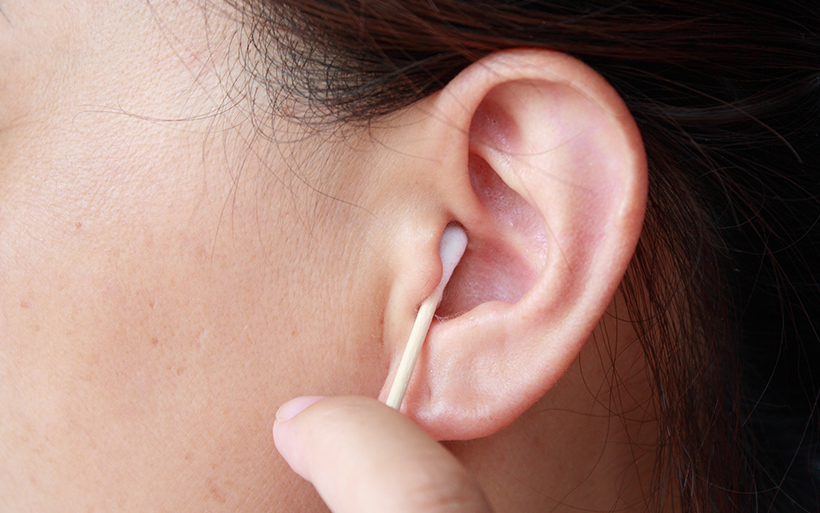
Numerous people make the mistake of trying to extract a perceived obstruction manually using swabs or household items. Unfortunately, these can shove wax further in and exacerbate the situation.
Health specialists caution that inserting anything less substantial than your finger in your ear can lead to eardrum rupture and severe clogging.
On the other hand, assuming a concern is just wax when it is truly hearing loss can hinder you from obtaining the assistance you require to remain connected.
How a Clinical Evaluation Assists
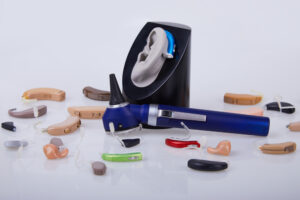
A simple ear exam can quickly determine whether earwax is blocking the ear.
If cerumen is present, safe removal often resolves signs on the spot.
If no wax is found, a formal hearing test will be conducted to map the nature and degree of any underlying impairment.
Experts recommend an instant hearing check if you find yourself failing to communicate or navigate your environment.
Closing Thoughts on Cerumen and Hearing Wellness
Feeling like sounds are dull doesn’t always signify a lasting loss.
Frequently, the problem is merely an accumulation of wax that can be easily resolved.
Your hearing care specialists can help you to find the source of muffled auditory symptoms so you can move forward with confidence and tranquility.
In the end, an audiology consultation is the only certain way to distinguish between a fleeting blockage and a lasting shift.
Addressing the concern immediately halts the anxiety of the unknown and places you on the track to improved hearing.
If your auditory sense seems off, avoid guesswork. A brief check can make all the difference, so contact our practice of clinicians right now.