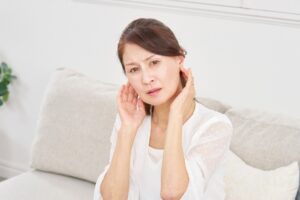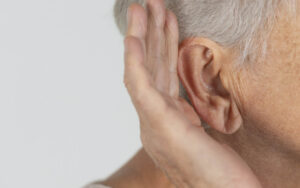

Auditory sensations, such as ringing, humming, or static, are prevalent issues among the aging population. For many older people, the presence of tinnitus can interfere with their peace of mind and create a sense of disorientation. While tinnitus is more common with advancing age, not all cases in older adults are simply “age-related,” and recognizing the difference is important.
The presence of tinnitus often lowers a person’s standard of living, but it is a misconception to believe there are no available paths for management. In this guide, we will explore the distinctions between age-related and non-age-related triggers, along with actionable steps for managing tinnitus.
Understanding Tinnitus
The medical definition of tinnitus is hearing sound when there is no environmental source. While many characterize the sensation as a ringing or whistling sensation, others may hear hissing, clicking, or even roaring noises. It can be constant or intermittent, occur in one or both ears, and range from a minor nuisance to a debilitating issue.
According to the National Library of Medicine, in a general elderly population:
- 1 in 5 people has tinnitus.
- For 1 in 10, tinnitus disrupts daily life.
- There is a strong correlation showing that those with hearing loss have double the likelihood of tinnitus reports.
The emotional toll of unceasing tinnitus can include profound anguish, sleep deprivation, and depression. Professional support and management strategies are available to help mitigate these effects. Before seeking help, it is important to understand whether your tinnitus is a result of aging or other factors.
Identifying Tinnitus Caused by Aging
One of the primary drivers of tinnitus in seniors is age-related hearing loss, also known as presbycusis.
Common characteristics of age-linked tinnitus include:
- Manifests as a progressive onset.
- Is experienced concurrently with age-related hearing loss.
- Takes the form of constant high-pitched ringing.
- Frequently feels more intrusive in a quiet room.
When Tinnitus Is Not Just About Aging
Aging isn’t always the only factor, as many seniors experience tinnitus due to environmental influences, such as:
- Occupational or recreational noise damage acquired during younger years.
- The use of pharmaceuticals, including high-dose aspirin or intensive antibiotics.
- Circulatory system problems, including high blood pressure, that affect the ears.
- Earwax impaction, which is more common in later life.
Why Tinnitus Shouldn’t Be Dismissed
Yet, it is essential to realize that long-term tinnitus takes a toll on:
- Sleep quality.
- Cognitive functions such as memory retention and sustained attention.
- Overall emotional health.
- The general enjoyment you find in daily life.
What You Can Do
- Wearing hearing aids to provide the brain with more auditory stimulation and reduce tinnitus focus.
- Using sound therapy programs designed to train the brain to the noise.
- Modifying prescriptions (where appropriate).
- Lifestyle adjustments to lower stress and improve sleep.
Reach out to our clinical staff immediately to arrange your comprehensive evaluation. We’re ready to help.