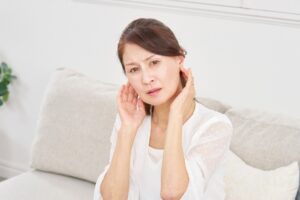

Most people attribute hearing shifts to the aging process, yet environmental cycles play a pivotal role in ear health. If you perceive winter ear-blocking or heightened summer sensitivity, these are recognized clinical patterns. Variations in seasonal hearing loss symptoms are standard clinical findings related to changing outdoor and indoor environments.
Luckily, understanding how each season can impact your ears can help you recognize which symptoms are temporary and which could require medical attention.
The Biological Link Between Weather and Ear Function
The ears operate in tandem with the nasopharynx and the body’s inflammatory response systems. This connection ensures that weather patterns and seasonal irritants affect the delicate fluid balance within the ear.
While the climate doesn’t cause permanent deafness, seasonal variables often compromise auditory comfort and speech recognition.
Cold Weather Impacts: Sinus Pressure and Auditory Fullness
Colder months often bring an increase in colds, sinus infections, and flu. Severe congestion frequently compromises the Eustachian tubes, leading to negative middle-ear pressure. When these tubes are not functioning properly, you might notice:
- A sensation of dampened sound
- A feeling of fullness in the ear
- Mild balance issues
- Ongoing pressure fluctuations
Low humidity in heated homes can lead to mucosal irritation and secondary ear inflammation. Fluid buildup—known as Otitis Media with Effusion—can sometimes occur, muffling incoming sound.
Typically, winter seasonal hearing loss symptoms are self-limiting and vanish with respiratory recovery. On the other hand, a medical professional should evaluate the presence of persistent fluid accumulation or repeated infections.
Spring and Summer: Allergies and Swimmer’s Ear
Warmer months bring pollen, grass, and other airborne allergens. Environmental allergies provoke inflammatory responses in the ear’s pressure-regulation system, causing temporary auditory dullness.
Typical warm-weather auditory issues involve:
- Middle-ear pressure
- Softened acoustic perception
- Heightened aural tension
Swimming is another factor. Prolonged moisture in the ear canal can lead to “swimmer’s ear,” an outer-ear infection that causes pain, swelling, and temporary hearing difficulty. Humid air and sweat contribute to accelerated wax accumulation, which can temporarily obstruct the ear canal.
Seasonal Travel: Managing Pressure Shifts on Flights
High-volume travel seasons often involve air travel, exposing the ears to rapid altitude-induced pressure changes. Even though pressure usually balances out, chronic travel-related ear pain suggests the Eustachian tubes are not venting properly.
Red Flags: Distinguishing Seasonal Issues from Permanent Loss
Most seasonal hearing loss symptoms are temporary and resolve as allergies or congestion improve.
Nevertheless, you must contact an audiologist if any of the following arise:
- Abrupt auditory decline in either ear
- Persistent muffled hearing that lasts more than a few weeks
- Ongoing dizziness
- Unresolved ear ringing or buzzing
- Otorrhea or acute ear discomfort
Often, “seasonal” complaints are the gateway to identifying more significant hearing disorders that need professional attention.
Maintenance Tips for Seasonal Auditory Health
By utilizing humidifiers, managing hay fever, and drying the ears post-swim, you can mitigate seasonal auditory risks. Maintaining a baseline hearing test helps track whether seasonal changes are becoming permanent.
If you experience seasonal hearing loss symptoms that don’t resolve or seem more severe than usual, a hearing assessment can provide clarity and peace of mind. Environmental factors are inevitable, but your ears can remain healthy in any weather with the right clinical support.
We’re here to help: Call our care team today for a consultation.