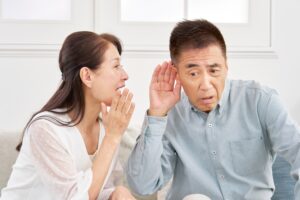
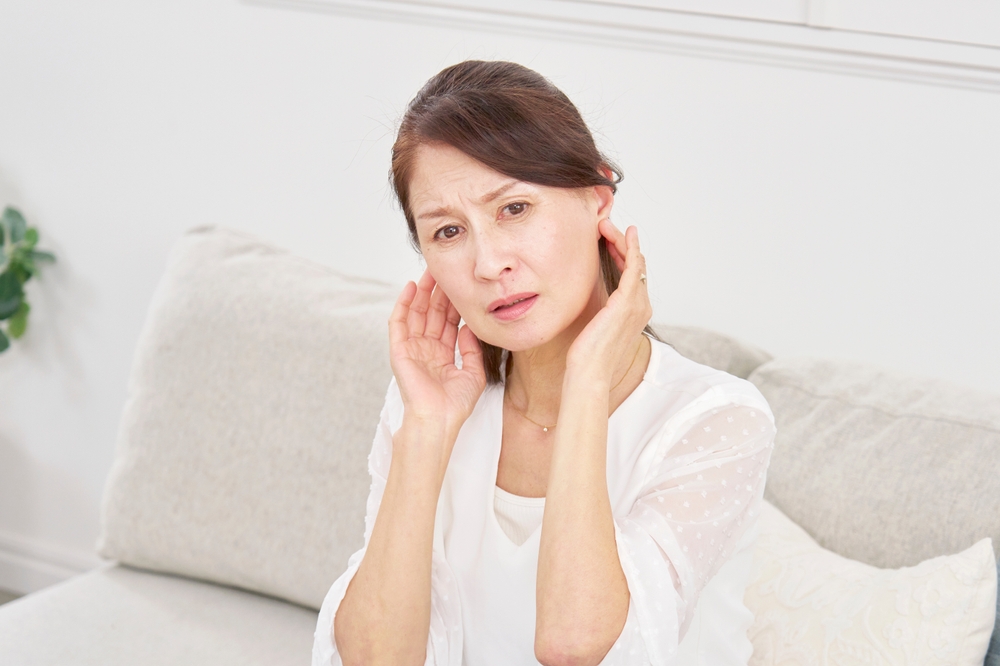
Waking up at the start of the day and realizing you can’t clearly hear is a frightening experience for anyone. The experience of losing hearing instantly, particularly in the lack of pain, is inherently distressing. While some causes are temporary and simple to resolve, others demand immediate clinical intervention.
Grasping the typical reasons behind sudden deafness and knowing when to seek for help is critical for your long-term health. Throughout this guide, we break down the nature of sudden hearing loss, its likely origins, and the requirements for professional consultation.
Understanding Rapid Auditory Decline
We define sudden hearing loss as a sharp drop in auditory sensitivity occurring nearly immediately or over a 72-hour period. While most patients experience this in one ear, it can sometimes manifest in both at once. Individual experiences vary from clouded hearing and tinnitus to a distinct sense of congestion or vocal distortion.
Identifying Sudden Sensorineural Hearing Loss
Among all triggers, SSHL requires the most immediate clinical assessment.
We categorize this loss as damage to the inner ear or the complex nerve systems responsible for sound transmission. The source is often idiopathic, though medical professionals point to several likely contributing elements:
- Decreased vascular supply to the fragile inner ear structures
- Internal swelling and abnormal immune system activity
- Infection-based auditory damage
- Neurological factors
SSHL is considered a medical emergency because prompt care can drastically enhance recovery.
The Role of Viral Pathogens
Viral activity often leads to inflammation in the auditory canal, resulting in major auditory changes.
Viruses associated with sudden hearing changes include:
- Routine upper-airway viral activity
- Influenza
- Neural infections
- Viral complications observed in some COVID-19 cases
Sudden deafness can align with viral symptoms, often appearing with dizziness or a feeling of fullness.
Traumatic Triggers for Hearing Change
Major head trauma, sudden pressure fluctuations, or acoustic shocks are known to damage the fragile components of the hearing system.
The following scenarios are typical causes of injury-based hearing impairment:
- Severe brain injuries or concussions
- Abrupt shifts in ear canal pressure
- Acute loud sound exposure
- Physical displacement of inner ear fluids
Even minor injuries can affect hearing, especially if symptoms appear quickly afterward.
Earwax Buildup or Blockage
Though not as critical as inner ear causes, impacted earwax can still cause sudden hearing changes.
Symptoms of blocked wax typically:
- Occur almost instantaneously
- Present as a persistent internal pressure
- Impact one ear more than the other
- Clear up following the safe extraction of the wax
Crucially, a self-diagnosis at home cannot accurately distinguish between a simple blockage and a nerve-related crisis. Therefore, seeking a professional clinical opinion is the only safe course of action.
Less Common Drivers of Sudden Hearing Impairment
Other variables that can influence a sudden drop in hearing include:
- Secondary reactions to certain medications
- Blood flow conditions
- Immune-mediated inner ear disease
- Small growths on the hearing nerve
A detailed assessment by an expert provides the clarity needed to rule out these rare conditions.
The Time-Sensitive Nature of Treating Hearing Loss
The single most critical piece of advice for sudden deafness is to seek care without any delay.
A fast response from a specialist can help:
- Identify reversible causes
- Maximize the potential impact of clinical therapies
- Protect against lasting damage to the hearing nerve
- Decrease the likelihood of facing permanent speech-understanding issues
Comprehensive hearing tests are the primary tool for categorizing the impairment and establishing a recovery plan.
When to Seek Immediate Help for Sudden Hearing Loss
Immediate clinical attention is needed if any of the following symptoms manifest:
- An abrupt inability to hear clearly in either ear
- A loss of hearing accompanied by dizziness or lack of coordination
- Abrupt auditory buzzing or a feeling of blockage
- Auditory decline following a viral infection or physical trauma
Though your hearing may seem to recover slightly, a professional check-up is still vital for a full diagnosis.
Rapid Diagnostics for Auditory Clarity
Hearing tests can quickly clarify whether hearing loss is:
- Related to mechanical blockages or conductive barriers
- Nerve-based (inner ear or nerve-related)
- A transient condition or a permanent auditory change
Rapid testing is the foundation for timely medical action and superior long-term results.
Take Sudden Hearing Changes Seriously
Sudden hearing loss is bound to feel alarming, but the sooner you seek care, the more options you may have to address it.
Securing an expert assessment following a sudden auditory shift is the best way to safeguard your long-term wellness. We’re here for you if you experience sudden hearing loss: Call our care team as soon as possible at our office for the help you need.