Have you ever felt totally drained after a long conversation or social gathering?
You might initially blame your exhaustion on general tiredness or a busy lifestyle. While social gatherings are inherently demanding for people with sensory sensitivities, there may be another factor at play. But in some cases, the cause is a lesser-known culprit: auditory fatigue.
Auditory fatigue occurs when the central nervous system must expend excessive energy to decode acoustic signals. When sound clarity is compromised, the brain allocates vast cognitive resources to deciphering muffled or distorted phonemes. Sustained periods of this “effortful listening” eventually lead to total cognitive depletion.
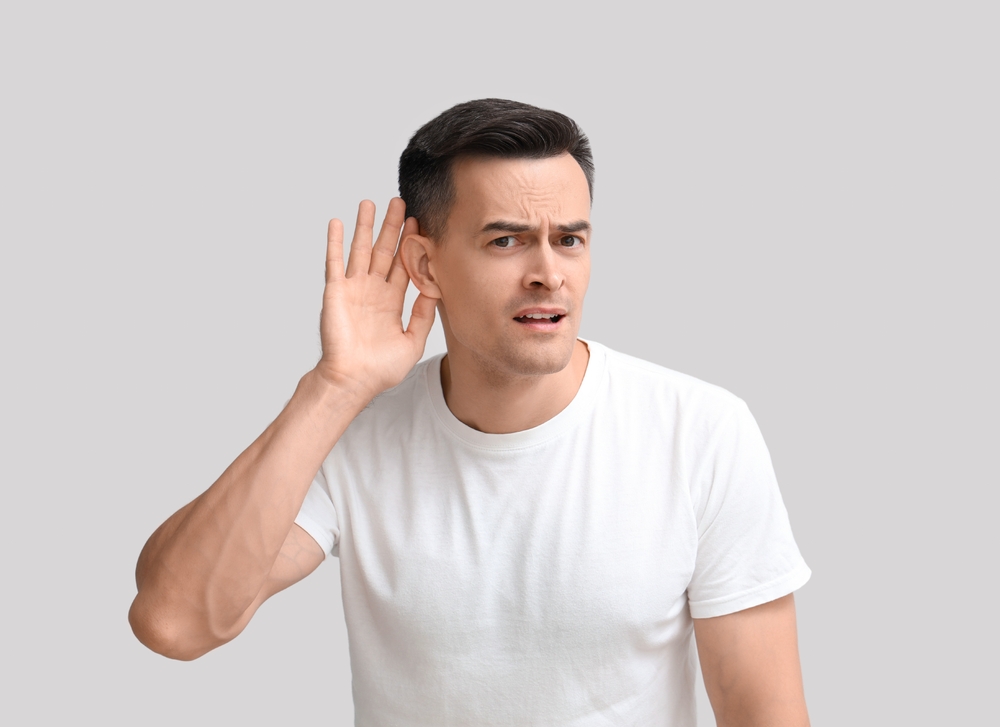
Auditory fatigue is frequently misidentified as standard physical or mental lethargy. However, it can actually be an early sign of hearing difficulties. A professional diagnostic evaluation is necessary to confirm if hearing loss is the root cause of your exhaustion. If this cycle of exhaustion is recurring, consult an audiologist to investigate the influence of hearing loss.
What Causes Auditory Fatigue?
Several factors can force the brain to work harder during listening, increasing the risk of auditory fatigue.
The Impact of Unmanaged Hearing Loss
Unmanaged hearing loss stands as a primary catalyst for chronic listening exhaustion.
If the peripheral auditory system fails to deliver clear data, the brain must use context clues to guess the missing information. Relying on context rather than clarity places an unsustainable burden on the brain during everyday conversations.
Noisy Environments
Acoustically complex settings serve to intensify the demand on the brain’s filtering systems. Restaurants, meetings, family gatherings, and social events often include background noise competing with speech.
When multiple sounds occur at once, the brain must filter through them to identify the important information. This process can create cognitive overload, especially for people with hearing loss (even mild cases).
How Internal Noise Increases Listening Effort
Chronic tinnitus compounds listening effort as the brain struggles to ignore internal noise while focusing on external speech.
Degraded signal quality resulting from hearing loss forces the auditory cortex into an inefficient processing loop.
How to Recognize the Onset of Auditory Fatigue
The manifestations of auditory fatigue impact both cognitive performance and systemic energy reserves. Patients often present with the following indicators:
- Experience of deep cognitive depletion following verbal interaction
- Inability to maintain attention in multi-person dialogues
- Development of “listening headaches” after long social events
- A sense of agitation triggered by difficult listening conditions
- Social retreat to avoid the stress of auditory processing
- Requiring immediate sensory deprivation or sleep after socializing
If these symptoms occur frequently, it may indicate that your ears and brain are working harder than they should.
How the Brain Compensates for Hearing Impairment
Clear auditory input allows the brain to interpret sound with virtually no conscious effort. Conversely, hearing loss forces the brain to redirect energy from other executive functions to assist in sound decoding.
Researchers describe this as increased cognitive load. The brain is forced to sacrifice higher-level thinking to manage the low-level task of hearing sound. The long-term effect of this cognitive shift is the profound “emptiness” felt after socializing. Under these conditions, even brief interactions demand an unnatural level of mental focus.
Diagnosing the Source of Your Fatigue
When fatigue becomes a daily burden, a professional evaluation provides the necessary data for a solution. During a comprehensive hearing test, an audiologist will measure how well you hear different tones and speech sounds. Testing your hearing in a noisy context is vital for identifying the true drivers of your social exhaustion.
A comprehensive hearing test can determine whether hearing loss is contributing to your fatigue and help guide the next steps for treatment. Identifying hearing changes early allows treatment to begin sooner, helping reduce listening strain before it begins affecting daily activities and social interactions.
Restoring Energy Through Hearing Care
The right hearing treatment acts as a “pressure release valve” for the brain’s processing centers.
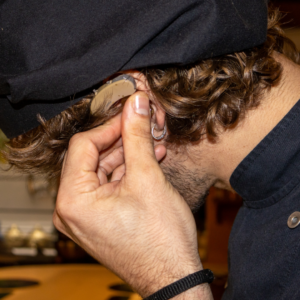
High-tech hearing aids do the “heavy lifting” for the brain by isolating and clarifying voices in real-time. This allows the brain to receive clearer signals without constantly trying to fill in missing sounds.
With restored hearing clarity, you will likely see a boost in:
- Mental energy throughout the day
- Ability to follow complex dialogue without drifting off
- Feeling relaxed and confident in noisy environments
By reducing neural over-exertion, your daily life regains its sense of ease and fluidity.
Recognizing the Right Moment for a Hearing Test
A professional screening is recommended if you identify with these patterns:
- Dialogue leaves you feeling cognitively spent
- You are increasingly told that you are missing parts of the conversation
- Background noise makes speech recognition a major challenge
- Social withdrawal is becoming your default response to difficult acoustics
Resolving these issues today ensures a higher standard of living and better cognitive health for the future.
Common Inquiries Regarding Listening Effort
Distinguishing Between Exhaustion and Impairment
No—fatigue is the “symptom” (burnout), whereas loss is often the “cause” (the impairment). While they are different, hearing loss is the direct driver of most fatigue cases.
Can hearing aids reduce listening fatigue?
Yes. By improving sound clarity and reducing background noise, hearing aids can significantly decrease the mental effort required to understand speech.
Is auditory fatigue permanent?
Typically, this fatigue is transient and resolves once the auditory system is supported by clinical care.
End Your Struggle with Auditory Fatigue Today
Socializing should replenish you, not leave you feeling drained. When simple listening becomes a chore, it is a sign of an inefficient auditory processing loop.
Schedule your hearing test today by contacting us today. The path to social confidence and mental clarity begins with accurate hearing data.