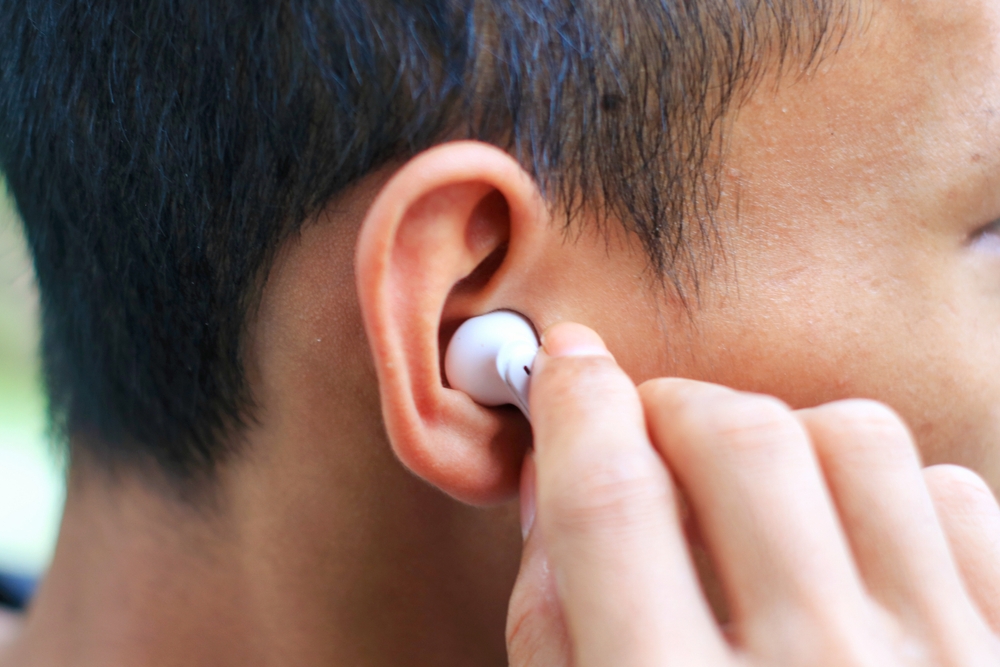
Rarely do we see a young adult in public without an earbud in their ears. Even with their larger footprint, headphones remain a popular choice for teenagers looking to disconnect from the world. Musical enjoyment knows no age limit, though the younger generation has integrated it more deeply into their daily transitions. Given their intimate position near the eardrum, are these devices a legitimate threat to our hearing? It’s not the device itself, but how we use it.
The Risks of Prolonged High-Decibel Exposure
The right music can induce a state of relaxation, provide spiritual comfort, or drastically boost energy levels. This subjective experience is dictated by the specific characteristics of the chosen track. Employing in-ear monitors is an effective method for maintaining acoustic privacy in public environments. That’s a positive thing, and most people will tell you that they are grateful and prefer that on a train or bus.
The essential inquiry remains: at what decibel level and timeframe does listening become dangerous? In reality, excessive sound pressure is universally hazardous to the delicate structures of the cochlea. Combining high-intensity sound with extended exposure times can lead to permanent sensorineural damage. Because auditory decline is often a slow, cumulative process, the damage is frequently advanced before symptoms are noticed.
The Key Dangers of Headphones and Earbuds
Sound pressure level is the primary variable in the development of **NIHL**. Despite this, the cumulative hours of exposure are just as dangerous as a single loud blast.
- The National Institutes of Health advises that sounds under 70 decibels are generally safe for the human ear.
- Louder noises will cause hearing damage faster than quieter sounds.
- Audiologists recommend the 60/60 rule: stay below 60% of max volume and limit sessions to one hour.
- Taking control of your volume slider and managing your time is the best defense against hearing loss.
Indicators That You May Need a Hearing Evaluation
If you notice muffled speech, struggle with background noise, experience **tinnitus**, or constantly require others to speak up, a professional evaluation is necessary.
If you suspect a decline in your hearing, contact our office to begin a professional diagnostic process.