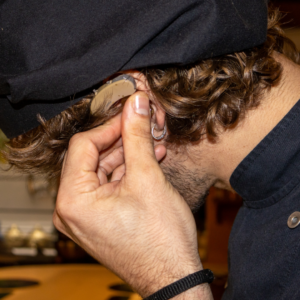

Are hearing aids covered by Medicare? To be direct: they are not.
Hearing aids are not covered under Original Medicare. We realize this is disappointing news, and it often comes as a surprise to many of our patients.
On the bright side, you have other alternatives to consider. Options such as Medicare Advantage plans, flexible financing, and secondary benefits can make high-quality hearing aids much more budget-friendly. Because your hearing health is essential, exploring all available paths is highly recommended.
That’s why today we’re walking through what’s actually covered and your options, so you can have greater peace of mind and confidence moving forward.
Standard Medicare (Parts A and B): Coverage Limitations Explained
Neither Part A nor Part B of Original Medicare covers the cost of hearing aids or the associated clinical fitting and care. This longstanding rule remains in effect for the 2026 calendar year.
While Medicare Part B might pay for a diagnostic audiological exam, it must be doctor-ordered for a specific medical issue. Note that this is distinct from a hearing aid evaluation aimed at treating hearing loss with technology.
Many people don’t realize this until they begin looking into treatment, but once you do, it’s easier to explore the available alternatives.
How Medicare Advantage (Part C) Can Help With Hearing Costs
Enrolling in a Medicare Advantage (Part C) plan often provides a more optimistic outlook for hearing aid benefits.
Many Part C plans feature hearing aid insurance, but the extent of the coverage fluctuates. You might find a flat annual credit, discounted pricing models, or coverage for comprehensive evaluations.
Be aware that coverage usually depends on staying within a provider network, and OTC device benefits vary. Your best move is to check your official plan documents or call your provider to confirm exactly what is covered.
Other Options to Help With Hearing Aid Costs
Even without robust Medicare coverage, you can utilize these paths to lower the cost of your hearing treatment:
Leveraging Your HSA or FSA
Hearing aids are a qualified medical expense, which means you can use pre-tax dollars from a Health Savings Account (HSA) or Flexible Spending Account (FSA). This is one of the most overlooked ways to reduce the real cost.
Assistance Through the VA
If you’re a veteran, you may be eligible for hearing aids at no cost through the Veterans Administration. Even without a documented service-related hearing loss, some veterans still qualify depending on their benefits.
Flexible Financing and Payment Plans
Most clinics provide financing plans that let you pay for your devices in monthly installments. This approach makes premium technology accessible without needing the full amount upfront.
State Assistance and Charitable Organizations
Groups such as the Lions Club and the Starkey Hearing Foundation provide aid to those who qualify. Additionally, check for state-specific programs that assist with hearing healthcare costs.
What About Over-the-Counter Hearing Aids?
Over-the-counter (OTC) hearing aids are a lower-cost option that have become widely available in recent years. They can be helpful for adults with mild to moderate hearing loss and can be a good temporary solution.
Unfortunately, they’re not typically covered by insurance and require self-fitting. For more advanced hearing loss (or when hearing changes are sudden or uneven), professionally fitted devices generally provide better results.
Getting a professional evaluation first is the best way to determine if an OTC option is truly appropriate for your level of hearing loss.
Not Sure What Your Plan Covers for Hearing Aids? Start Here.
Our team assists patients with insurance navigation daily. If you have questions about your Medicare benefits, just bring your card to your visit, and we will help you identify your best paths.
Call us to schedule your hearing evaluation online. We’ll start with your hearing, then help you find a path forward that works for you!