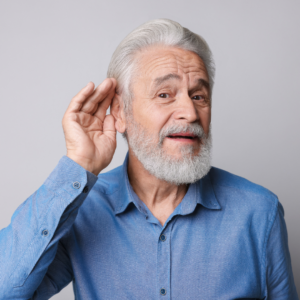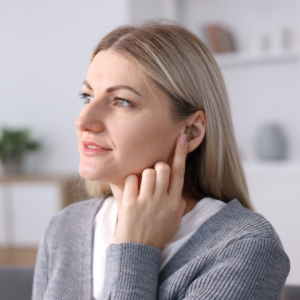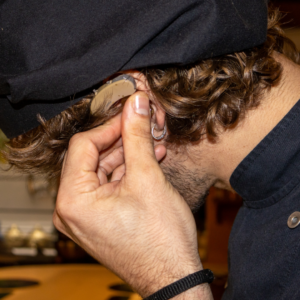
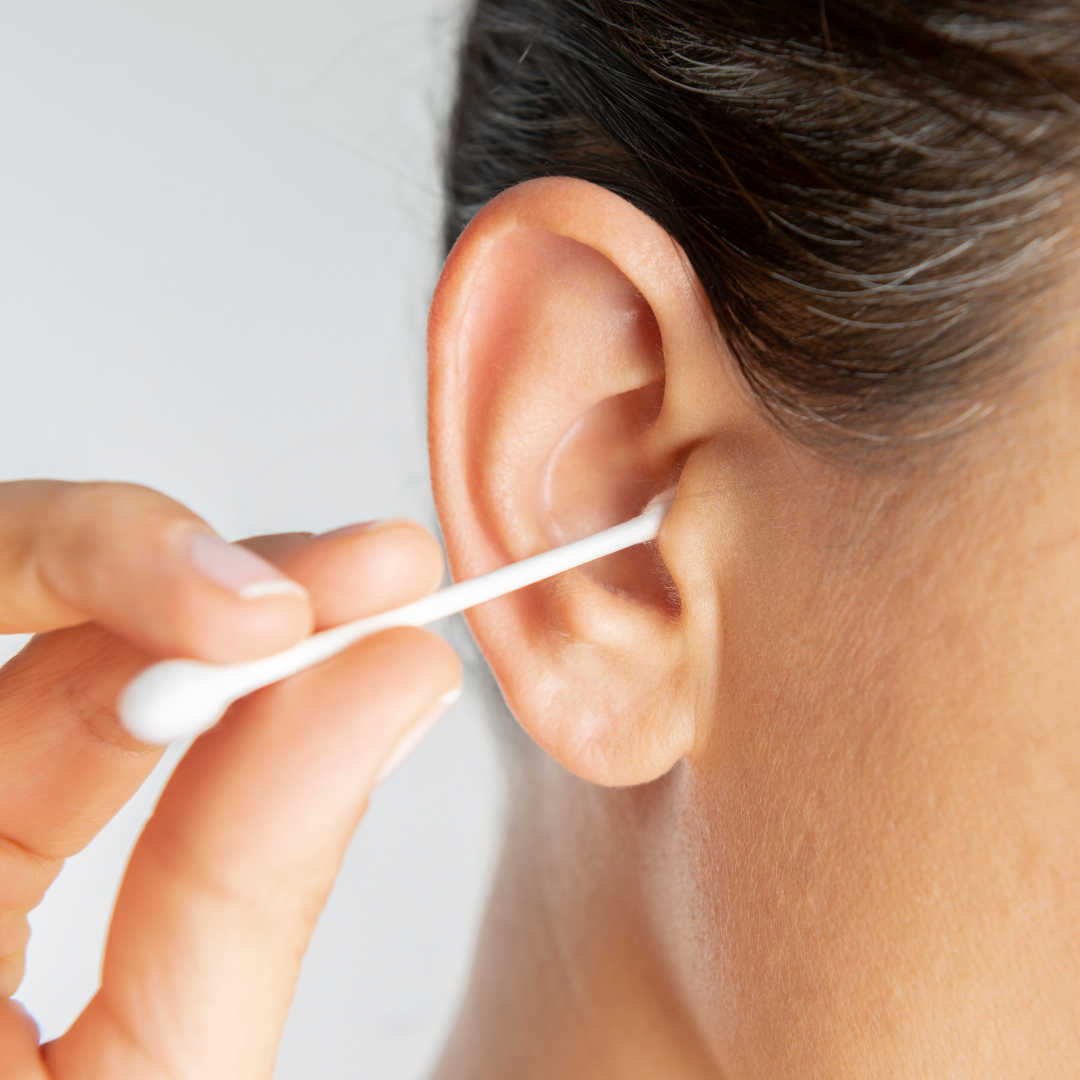
Even though cotton swabs seem practical for routine hygiene, probing the inner canal creates deeper impactions and threatens long-term ear health. We assess whether your earwax demands professional intervention and provide customized care strategies that match your clinical profile. The auditory canal generally manages its own cleaning; however, should impaction arise, our team provides safe clinical earwax removal.
Why Are Q-Tips Bad for Your Ears?
Human earwax, formally designated as cerumen, is a functional secretion rather than unwanted dirt. It traps dust and debris, helps limit bacterial growth, lubricates the ear canal, and protects its sensitive skin. Jaw movement and normal skin migration gradually carry old wax toward the ear opening, where it flakes away or washes off during bathing.
Pushing a cotton applicator past the canal opening disrupts this natural physiological transport. Even if the swab gathers a trace of surface cerumen, it routinely compacts the remaining mass against the eardrum. Ongoing cotton swab use regularly condenses wax into a solid obstruction, causing a congested feeling that drives repetitive cleaning attempts.
Cotton applicators are suitable for tracing the exterior folds of the ear, but they must remain entirely outside the canal opening.
Types of Ear Injuries Caused by Cotton Swabs
The sensitive skin protecting the ear canal exhibits extreme thinness and scratches effortlessly. Microscopic tears cause acute discomfort or hemorrhage while exposing tissue to bacteria, which heightens the probability of an outer ear infection. In addition, the cotton head can loosen and become retained as an obstructing foreign object in the ear.
Swab-related clinical injuries include:
- Cerumen driven into deep obstructive impactions
- Scratches, irritation, swelling, or bleeding
- Pathogenic infection involving the ear canal
- A cotton tip or other material trapped in the ear
- A torn or perforated eardrum
- Mechanical trauma to the middle-ear ossicles behind the eardrum
- Acute hearing loss of a temporary or permanent nature
- Ringing in the ears, balance disruption, or sharp ear pain
Though critical trauma is uncommon, an unexpected collision, a sudden slip, or overzealous penetration can cause extensive ear injury.
How Often Should Earwax Get Removed?
Most people do not need to remove earwax on a schedule. Healthy ear physiology steadily propels wax toward the surface, where daily hygiene cleans the external ear. Aggressive hygiene removes protective lubricants, provokes skin inflammation, and heightens the likelihood of infection or cerumen buildup.
Clinical clearing is warranted if cerumen occludes the auditory pathway, prevents diagnostic evaluation of the eardrum, affects a hearing aid, or sparks discomfort.
Clinical Guidance for Safe At-Home Cerumen Care
If your earwax produces no noticeable complaints, leaving it alone is typically the safest protocol. Restrict hygiene to wiping the outer ear folds with a damp cloth while permitting the canal to self-evacuate.
When wax needs softening, we may recommend an over-the-counter cerumen-removal product or drops containing ingredients such as mineral oil, glycerin, saline, or carbamide peroxide. Dispense only the directed amount and restrict use strictly to the timeframe specified on the product packaging. Immediately halt applications if the medication triggers pain, profound dizziness, skin irritation, or deteriorating symptoms.
Home irrigation is not appropriate for everyone and should only be attempted after a professional confirms it is safe and explains the technique. Never use a dental water jet. Steer clear of dangerous tools such as ear candles, metal curettes, lighted camera tools, bobby pins, and home vacuum devices. These hazardous instruments often cause cutaneous burns, sharp cuts, eardrum ruptures, or compounded cerumen impaction.
When Should I See a Doctor for Earwax Removal?
Set up an audiological evaluation whenever your ear stays plugged after softening care, wax is firmly impacted, or home efforts fail repeatedly. Seeking professional care is essential if a patient cannot stay still, exhibits narrow canal anatomy, wears hearing aids, or possesses medical risks that rule out drops or flushing.
You should seek professional assessment for:
- Severe ear pain, intractable itching, or outer ear tenderness
- Hemorrhagic discharge, purulent fluid, clear otorrhea, or foul-smelling drainage
- Systemic fever or noticeable swelling around the auricle
- The rapid emergence of tinnitus or episodic dizziness
- Acute sensorineural hearing loss or auditory decline persisting after cerumen extraction
- A suspected tympanic membrane rupture or retained swab material
- Recurrent impaction that affects hearing devices
Treat sudden hearing loss in one ear as a medical emergency rather than assuming it’s wax. Rapid audiological testing differentiates simple cerumen obstruction from serious, time-sensitive inner ear disorders.
Professional Techniques for Cerumen Removal
We always inspect the canal directly using an illuminated otoscope or surgical microscope to confirm cerumen buildup and evaluate for inflammation, injury, or eardrum ruptures. The ideal extraction strategy is dictated by the consistency of the wax, ear canal dimensions, clinical background, past ear procedures, and patient physical stability.
Available professional techniques include:
- In-office or pre-visit cerumen-softening drop applications
- Controlled ear flushing using warm, body-temperature water on intact eardrums
- Safe, gentle suction extraction executed under direct microscopic guidance
- Manual removal with a loop, curette, or small forceps
Direct illumination and magnification enable the provider to spare sensitive canal skin and stop promptly upon patient feedback. Resolving highly compacted or dry earwax often involves integrating multiple clinical removal techniques. Following cerumen extraction, a complete post-procedure examination verifies that the canal epithelium and tympanic membrane are intact. When symptoms like fullness, tinnitus, vertigo, or hearing loss continue, supplementary audiological assessments can uncover alternate conditions.
Contact Us for Safe Professional Earwax Removal
Should you experience aural fullness or sudden hearing shifts, arrange a clinical evaluation with our office instead of relying on cotton swabs. Your scheduled visit includes reviewing active symptoms, past ear procedures, hearing aid status, home management methods, and individual risk factors for cerumen impaction. Contact us to request an earwax-removal appointment.