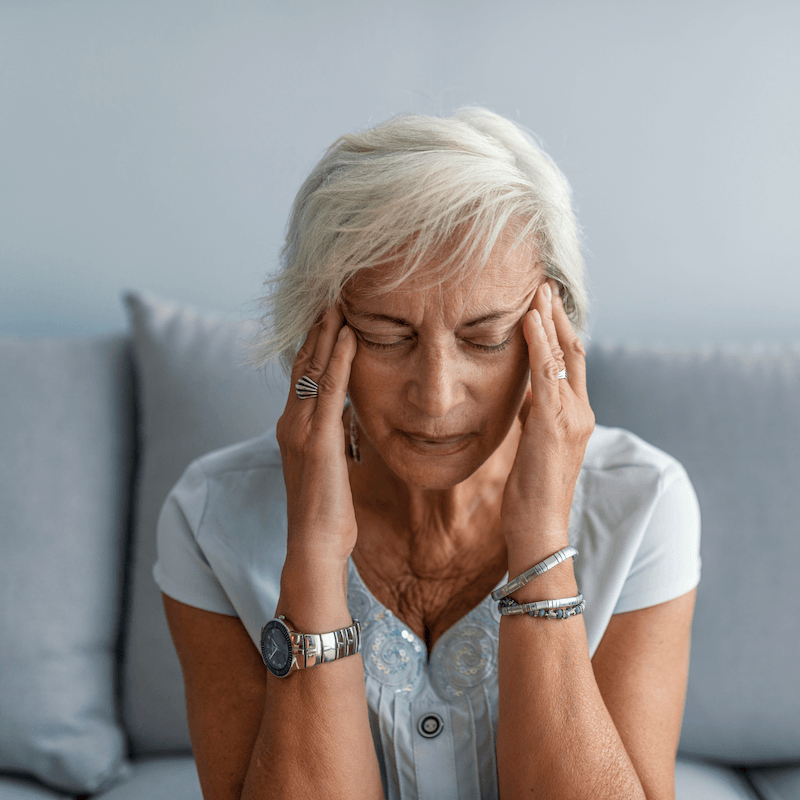
Not all migraine episodes involve throbbing head pain, as a vestibular migraine primarily compromises balance, motion sensitivity, and spatial stability. Our practice can evaluate recurring dizziness and determine whether vestibular migraine or another balance disorder may be responsible. To achieve successful migraine treatment, patients must understand their symptom patterns and report them accurately to their medical provider.
Vestibular vs. Classical Migraine: Key Differences
Vestibular migraine and typical migraine are part of the same neurological disease spectrum, but their most noticeable symptoms differ. The hallmark of a typical migraine is moderate to severe unilateral throbbing head pain that intensifies during ordinary physical activities. Concurrent symptoms routinely include autonomic nausea, photophobia, phonophobia, and transient focal neurological aura.
A vestibular migraine primarily manifests as true vertigo, disequilibrium, balance dysfunction, and severe motion sensitivity. Concomitant headache may happen, but cephalalgia is not universally present across all vestibular flare-ups. Attacks may involve a false sense that the person or room is moving, dizziness triggered by head motion, or discomfort in visually busy environments.
Clinically documented vestibular episodes usually persist for a duration between five minutes and 72 hours. Presentations frequently shift from episode to episode, which can obscure the underlying connection to migraine disease.
Understanding the Biological Mechanisms of Vestibular Migraine
Vestibular migraine does not arise from a single isolated health condition. Current research points to intertwined central pathways that simultaneously process migraine pain and vestibular sensory data. Having a personal or family background of migraine disease, along with chronic motion sensitivity, increases patient risk.
Episodes may be triggered by:
- Disrupted sleep architecture or chronic sleep deprivation
- Inconsistent meal timing, caloric restriction, or insufficient water intake
- High emotional stress levels or post-stress relaxation periods (“weekend migraine”)
- Menstrual or other hormonal changes
- Visually complex settings, flickering light sources, and intense illumination
- Rapid vehicle motion, vestibular acceleration during transit, or digital screen scrolling
- Ingestion of alcoholic beverages, artificial sweeteners, or patient-specific dietary triggers
- Atmospheric pressure changes, weather fluctuations, or overwhelming sensory stimulation
Symptom Profiles: How Vestibular and Regular Migraines Present
While standard migraine episodes are widely identified by severe headache, systemic symptoms reach far beyond cephalalgia. Patients routinely report nausea, emesis, scintillating visual aura, profound fatigue, cognitive slowing, cervical stiffness, and sensory sensitivities.
A vestibular migraine attack can present with:
- True rotational vertigo or generalized non-rotational vertigo sensations
- Marked balance deficits, physical clumsiness, or postural instability
- Dizziness triggered by head movement
- Motion-induced nausea or severe motion sickness
- Sensitivity to moving screens, crowds, traffic, or patterned surfaces
- Illusory spatial sensations including continuous rocking, vertical floating, tilting, or lateral magnetic pulling
- Sensory hypersensitivity involving photophobia, auditory intolerance, and visual overstimulation
- Sensation of intense cranial pressure, sinus heaviness, or classic throbbing migraine pain
- Reversible aural pressure, sensations of blocked ears, or transient tinnitus
The pattern, duration, and triggers help distinguish vestibular migraine from other causes. Sudden dizziness that coincides with motor weakness, limb numbness, difficulty articulating speech, double vision, syncope, or inability to stand requires immediate emergency assessment.
The Coexistence of Vestibular Migraine and Typical Migraine Episodes
Absolutely. Vestibular vertigo and migraine head pain can occur simultaneously within a single clinical flare-up. Dizziness might manifest as a premonitory symptom before head pain, peak while the headache is active, endure following pain resolution, or strike alone. It is common for individuals to alternate between attacks centered on severe headaches and episodes dominated by vestibular imbalance over several years.
A balance-related flare-up does not need to incorporate a headache to stem from underlying migraine pathophysiology. Documenting flare-ups in a symptom diary illuminates subtle patterns that might otherwise be forgotten during doctor visits. Note the frequency and length of dizziness, headache qualities, sensory changes, menstrual timing, sleep habits, meals, potential triggers, and therapeutic interventions. Detailed symptom tracking allows your medical provider to conduct a much more precise diagnostic assessment.
How Can a Doctor Diagnose the Cause of Vestibular Migraines?
A definitive diagnosis cannot be established through a single blood draw, MRI scan, or individual vestibular balance test. Diagnosis begins with a detailed description of the episodes and a history of migraine with or without aura. Current criteria generally include at least five moderate or severe vestibular episodes lasting five minutes to 72 hours, with migraine features during at least half of them.
Our clinical evaluation includes targeted neurological exams, oculomotor testing, middle-ear inspections, diagnostic audiometry, and specialized balance studies. Based on your presenting symptoms, clinical testing may involve diagnostic audiometry, Dix-Hallpike positional testing, vestibular function studies, or MRI imaging. These evaluations provide the objective data needed to isolate or rule out alternative medical issues causing comparable dizziness. This clinical diagnosis is finalized only when your symptom history matches validated criteria and no other vestibular disorder better accounts for the findings.
Comprehensive Treatment Approaches for Vestibular Migraines
Clinical treatment is tailored to the individual, taking into account episode frequency, symptom severity, headache presence, coexisting health conditions, and drug tolerances. Effective clinical management frequently involves combining long-term daily prevention with an actionable rescue strategy for acute attacks.
We develop an individualized treatment regimen which may feature:
- Implementing disciplined daily habits including consistent sleep schedules, regular nutrition, hydration, and exercise
- Identifying and mitigating specific individual dietary, visual, or physiological triggers
- Utilizing behavioral health interventions, relaxation training, or cognitive stress-management techniques
- Prescribing fast-acting antiemetics to manage acute nausea and autonomic symptoms
- Measured, temporary use of vestibular suppressant pharmaceuticals during severe vertigo crises
- Preventive pharmacological agents like beta-blockers, calcium channel blockers, topiramate, targeted antidepressants, or modern migraine therapies
- Targeted vestibular physical therapy to retrain the central balance system and reduce chronic motion sensitivity
Prescription vestibular suppressants must be used with caution, as continuous dosing induces significant sedation and inhibits central vestibular compensation. You should always finalize medication decisions with your prescribing clinician instead of adopting treatment plans prescribed to others. Achieving lasting clinical success may require steady medication adjustments and consistent tracking of episodes over time.
Request a Clinical Evaluation for Vestibular Migraine
Should recurrent dizziness, motion sensitivity, or unsteadiness interfere with your daily routine, book a clinical consultation with our team. The initial visit features an in-depth review of migraine history, health factors, and therapeutic aims, paired with diagnostic exams to rule out BPPV, Ménière’s disease, and competing vestibular conditions. Contact us to request a vestibular migraine appointment.