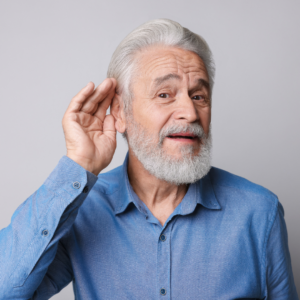
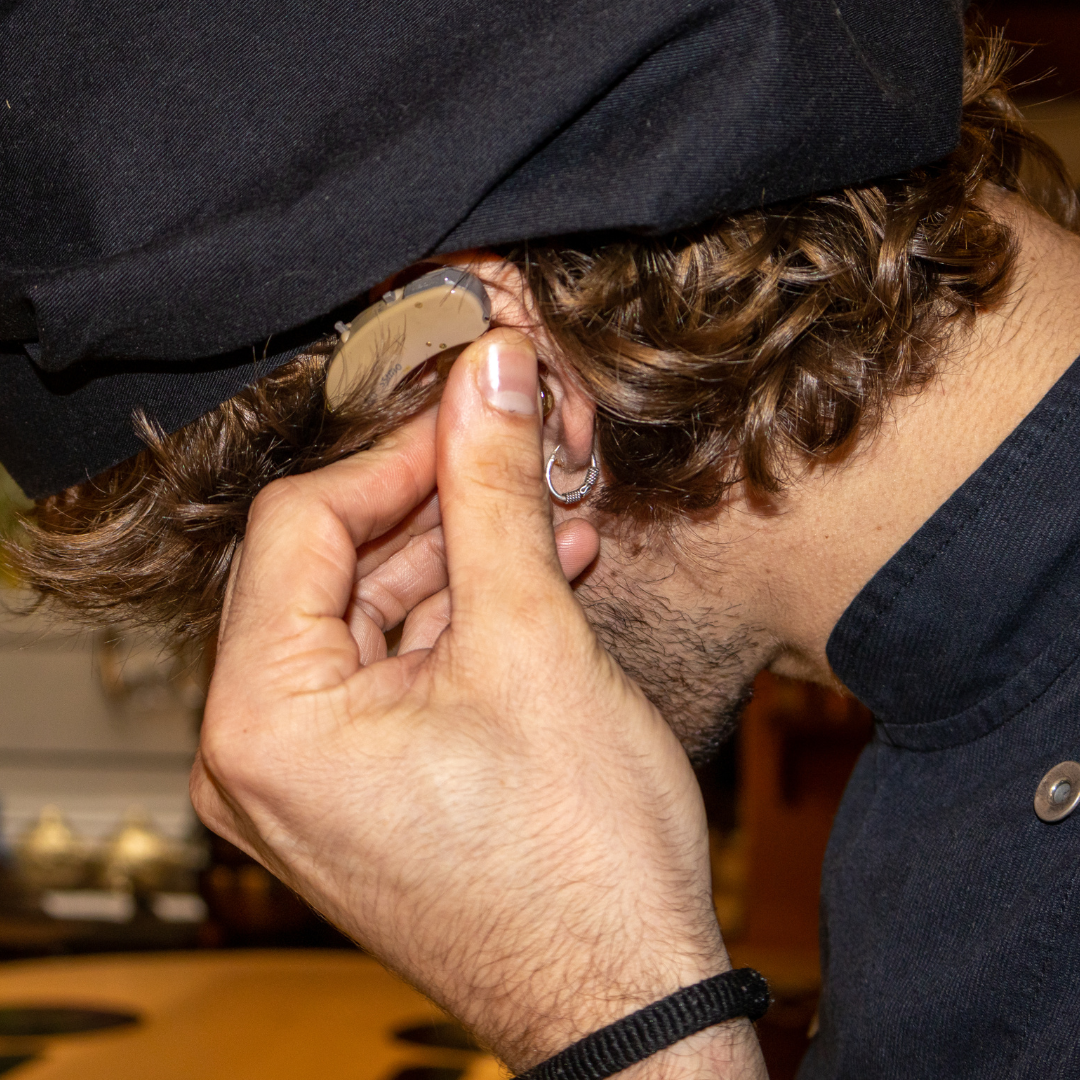
Active restaurant conversations are frequently hard to decipher when surrounding background noise clashes with your hearing. We perform comprehensive diagnostic assessments to evaluate hearing in quiet rooms and challenging acoustic spaces to identify functional deficits. Once the diagnostic etiology of your difficult hearing is established, we implement personalized clinical and technological strategies.
Why Can I Hear Normally but Struggle to Listen in a Restaurant?
Calm domestic settings establish a positive signal-to-noise ratio, allowing target speech to stand out clearly from faint background noises. Dining rooms present an unfavorable acoustic reversal of this dynamic. Background voices, loud music, service clatter, and wall reflections collide with spoken words, demanding heightened cognitive processing to isolate individual speech.
These communication barriers frequently indicate high-frequency hearing loss, central auditory-processing disorders, or age-related sensorineural changes. Cognitive exhaustion, physical fatigue, low ambient lighting, and increased distance from your conversational partner further compound the challenge. It is common to display normal baseline audibility on conventional hearing tests while failing comprehensive speech-in-noise testing. Disproportionate difficulty in restaurants justifies professional clinical assessment even if your everyday home hearing appears intact.
Diagnosing High-Frequency Hearing Loss and Clarity Issues
We begin by reviewing your history of communication difficulties, prior noise exposures, ringing or tinnitus, pharmaceuticals, and unilateral symptoms.
Diagnostic pure-tone audiometry establishes the softest auditory thresholds you can perceive across standardized frequencies via air and bone conduction pathways. Sensorineural high-frequency hearing loss demonstrates an audiometric slope reflecting diminished hearing thresholds as sound frequencies climb. Comprehensive evaluations frequently include impedance tympanometry to examine middle-ear function and recorded word-recognition testing to measure speech understanding.
Given that isolated quiet booths do not reflect chaotic restaurant acoustics, specialized speech-in-noise testing delivers invaluable diagnostic data. This procedure gauges speech-discrimination accuracy while competing multi-source noise becomes incrementally louder. In combination, these diagnostic metrics reveal whether communication hurdles involve audibility thresholds, speech discrimination, neural noise management, or mixed conditions.
How Do Auditory Processing Disorders Affect Hearing in Adults?
An auditory processing disorder affects how the central auditory nervous system interprets sound. The ears may detect tones at expected levels, but the brain may have difficulty organizing competing signals, distinguishing similar speech sounds, or following rapid conversation. We systematically verify peripheral hearing health before establishing whether an advanced auditory-processing evaluation or medical referral serves your needs.
Practical Strategies for Improving Speech Understanding in Noise
Small changes can improve the signal reaching your ears and provide clearer visual cues. When planning to dine out, select restaurants with calmer atmospheres or arrange reservations during off-peak hours. Dining locations utilizing sound-absorbing elements like booths, felt panels, window curtains, and carpet offer better acoustics than high-ceilinged rooms with hard surfaces.
Upon entering the restaurant:
- Request a table away from the kitchen, bar, speakers, and large groups.
- Position yourself with your back toward a solid partition to dampen intrusive background noise from behind.
- Position yourself directly opposite your companions where direct lighting highlights their facial expressions.
- Maintain the shortest comfortable physical distance between yourself and your conversation partner.
- Angle your stronger-hearing ear toward the primary individual you wish to converse with.
- Instruct conversational partners to reword missed phrases instead of repeating the entire sentence verbatim.
- Confirm important details rather than pretending to understand.
- Allow yourself a short listening respite when auditory concentration starts to feel drained.
- Ask companions to speak clearly at a natural pace.
- Raised or shouting voices warp acoustic phonetics and rarely improve speech intelligibility.
The Best Hearing Devices for Overcoming Restaurant Noise
Selecting the ideal assistive technology depends upon underlying diagnosis, specific acoustic challenges, and verified hearing loss. Professionally fitted hearing aids may use directional microphones, digital noise reduction, and dedicated restaurant programs to emphasize speech from the front and reduce some competing sound. They still require realistic expectations because no device can remove every unwanted voice.
Remote wireless microphones offer an exceptional boost to the signal-to-noise ratio in challenging venues. Clipped near the speaker’s mouth or set nearby, the transmitter sends voice signals wirelessly to matched hearing aids or a receiver. This wireless transmission substantially diminishes the acoustic degradation caused by physical distance and ambient room noise.
Additional effective assistive technologies include:
- Omnidirectional table microphones designed for group dining tables
- Integrated telecoil programs for tapping into venue-wide induction loop systems
- Mobile phone live-transcription apps offering real-time conversational subtitles
- Smart earbuds offering dedicated speech-in-noise amplification settings
- Decibel-level applications and restaurant rating guides for finding quiet tables
Our audiology staff helps you evaluate options, ensures wireless compatibility, and trains you on operating your chosen equipment.
How an Audiologist or Physician Can Improve Hearing in Noise
A hearing evaluation can move the conversation beyond “I hear fine in quiet.” Our clinicians review the specific environments, vocal pitches, and decibel levels that trigger breakdowns to design a personalized test protocol. Your diagnostic appointment may incorporate pure-tone air and bone thresholds, acoustic middle-ear testing, word-recognition scores, and speech-in-noise measures. Diagnostic auditory-processing testing may be recommended if your clinical symptoms and baseline evaluations suggest central auditory dysfunction.
Abrupt auditory reductions, unilateral hearing shifts, or rapid functional deterioration require prompt assessment by an ear, nose, and throat physician. Individualized diagnostic care pinpoints the precise physiological etiology rather than merely blaming restaurant noise for communication struggles.
Schedule a Hearing Evaluation Today
If restaurant conversations leave you guessing, withdrawing, or feeling exhausted, schedule a comprehensive hearing evaluation with us. We will help you navigate hearing in noisy environments by implementing advanced hearing aid options, assistive accessories, or therapeutic auditory strategies tailored to your lifestyle.
Contact our practice today to book your consultation and take a decisive step toward reconnecting in social settings.