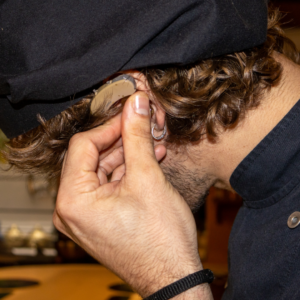

Far from being just a basic bodily hindrance, compromised hearing is an intimate challenge that subtly alters everyday perception. Although the general public connects hearing loss primarily with muffled sound, the emotional and psychological fallout is frequently hidden, yet fully as impactive. From acute social burnout to pervasive isolation, leaving hearing loss untreated invites a spectrum of psychological conditions that erode quality of life.
The Silent Threat: How Hearing Loss Causes People to Retreat Socially
In an increasingly communicative world, regular social discourse is essential for maintaining human happiness and overall mental health. Regrettably, for adults facing hearing challenges, standard dialogues in restaurants, holiday dinners, or corporate meetings often turn exhausting and deeply embarrassing.
Faced with the burden of constantly asking for repetition or pretending to hear, many individuals slowly step away from social life entirely. This systematic retreat is not caused by a desire for isolation; it operates as an automatic defense mechanism against the immense physical and mental exhaustion of struggling to hear. Unfortunately, avoiding social situations often creates a downward spiral of long-term isolation, robbing the individual of meaningful relationships and critical cognitive exercise.
Revealing the Emotional and Psychological Toll of Persistent Hearing Loss
Living with untreated hearing impairment means missing much more than spoken words; it often results in feeling detached from human experience. The personal and emotional aftermath of neglected hearing loss can be far-reaching across all personal routines.
Depressive Illness and Chronic Hearing Challenges Demonstrate a Significant Overlap in Long-Term Patient Wellbeing
Research shows that adults with untreated hearing loss show a drastically increased likelihood of experiencing depression. This non-stop cognitive straining, combined with the painful awareness of being left out, frequently generates severe mental heartache. Feelings of sadness, hopelessness, and reduced self-worth become common, especially when individuals feel that they are losing their place in conversations and relationships.
In the most critical instances, unmanaged depression can evolve into profound despair, underscoring the necessity of comprehensive treatment.
Social Anxiety and Persistent Uncertainty Continually Heighten Ongoing Mental Fatigue
A vast number of patients suffering from hearing loss experience endless worry and stress, fearing they will miss conversational cues, comprehend telephone audio, or recognize emergency broadcasts. Such continuous tension can lead directly to bodily distress, including elevated heart rates, profuse sweating, and chronic insomnia. Over time, chronic anxiety turns extremely disabling, directly degrading professional performance, interpersonal harmony, and general independence.
Auditory Deprivation and Related Sensory Loss Acts as a Significant Risk Factor for Progressive Mental Decline
While diminished hearing capacity may not directly induce conditions like Alzheimer’s, robust scientific data demonstrates a clear connection between untreated hearing deficits and cognitive degradation. When the central auditory system expends vast energy processing fragmented sound inputs, essential mental bandwidth is drained from active memory systems. Furthermore, prolonged deprivation of clear acoustic stimulation leads to neural atrophy in key brain regions, potentially speeding up neurological decay.
Rebuilding Personal Ties Through Modern Hearing Intervention
Although living with hearing loss creates genuine emotional suffering, this situation is entirely curable. Taking early action in hearing management holds the ability to renew an individual’s psychological state and reinvigorate their personal connections.
Advanced Listening Devices: a Vital Step Toward Emotional Well-Being
Modern hearing aids do more than just amplify sound; they help restore confidence, improve communication, and reduce the distress driving personal detachment. By enabling wearers to remain connected during social exchanges and locations they previously shunned, hearing aids can play a powerful role in reducing symptoms of depression and anxiety.
Cognitive Longevity – Fighting Brain Aging With Proper Hearing Devices Presents a Vital Strategy for Lasting Cognitive Clarity
Utilizing hearing aids in initial stages offers essential, enduring protection for cognitive functions. Through obtaining prompt care for auditory loss, patients can frequently postpone mental decline and shield their brains from dementia. By keeping the brain’s sound-processing networks continuously engaged, individuals foster enhanced synaptic integration and mental agility.
Focus on Your Total Health — Seeking Care for Hearing Fitness and Emotional Wellness
Downplaying the psychological fallout linked to unmanaged hearing impairment represents a serious oversight. If you or a family member show clear signs of hearing struggle, such as requesting louder speech or dropping social activities, consulting with a hearing expert is vital.
Managing hearing challenges at their earliest onset does more than clarify speech; it directly protects long-term mental and emotional health. With proper professional guidance and effective hearing aids, patients can rebuild strong interpersonal relationships, boost inner self-assurance and enjoy a vibrant, complete life again.