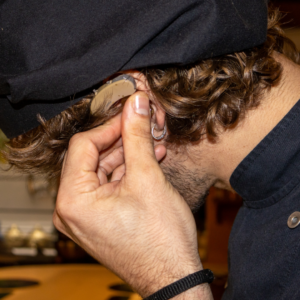
What causes that peculiar, unprompted sound that feels like ambient static or trapped air whispering in your ears? What explains the fact that you are the sole individual capable of detecting this frequency? You are not inventing these symptoms; the sensation is entirely real.
Thankfully, this specific issue is distinct from “phantom ring syndrome,” a sensory misfire tied to device dependency where individuals constantly anticipate digital tones or alerts.
Instead, these persistent acoustic distortions are classic indicators of clinical tinnitus. Your perception of this sound is completely valid, though you must remain aware that several everyday variables can cause tinnitus to flare up.
Fortunately, this underlying audio threshold rarely blocks your baseline ability to follow spoken dialogue. It merely creates a frustrating sensation where a phantom frequency is constantly layered over every real-world sound.
Let’s analyze the physical mechanisms behind this internal white noise, discover its underlying causes, and outline actionable strategies to suppress or resolve it.
The Root of Tinnitus: Why Your Brain Tracks This Persistent Hum
Physiologically, tinnitus typically serves as an early clinical warning sign of underlying hearing loss. It manifests as a perpetual or fluctuating sound profile that occupies the foreground of your sensory perception. Depending on individual pathology, this subjective sound can remain mild enough to ignore during active hours. Conversely, you may be trapped in a severe cycle where the internal static feels absolutely overwhelming, disrupting your concentration and peace of mind.
Most patients frequently fail to find words that accurately convey their struggle, because this subjective sensory deficit defies the imagination of anyone who has never lived it.
Many patients struggle to accept that a roaring sound inside their ears cannot be recorded or validated by outside observers. This paradox leads many to worry if they are suffering from a central mental delusion or cognitive misfire. How can an invisible sound wave cause such a profound barrier when you are trying to comprehend spoken language from family members? Or completely sabotage your natural ability to fall into a deep, restorative sleep cycle?
What is the noise you hear when it’s quiet?
You’ve probably noticed that the quieter it is, the worse your tinnitus gets. The mechanics are simple: your internal static loses its acoustic camouflage when background sound drops, a reality highlighted by the silent environments people cultivate for sleeping. They operate without a television background feed, avoid running any radio streams, and eliminate all ambient audio. Furthermore, being left alone with your internal thoughts allows the unprompted ear static to command your undivided attention, initiating an anxious loop that makes the volume seem significantly louder. Regardless of whether your specific symptoms involve low-frequency hums or high-pitched squeals, a perfectly silent evening environment provides the ideal clinical conditions for tinnitus to dominate your focus.
When Tinnitus Mimics Wind, Static, and Alternative Acoustic Textures
Not only is tinnitus hard to explain to someone who doesn’t have it, but this condition can also become complicated when you try to talk to someone else who is suffering from tinnitus. They may be experiencing very different symptoms than your own, which might lead you to think that what you have isn’t tinnitus at all.
But chances are, it is. This is due to the reality that tinnitus is a highly polymorphic condition, expressing itself through a vast array of acoustic shapes depending on the individual. Sufferers regularly document internal noises that encompass configurations such as:
- The fuzzy roar of unchanneled television feedback
- A low-frequency, deep mechanical humming
- Buzzing
- Ringing
- A blunt, repetitive thumping sequence inside the canal
- A steady, monotonous frequency resembling an active dial tone
In almost all instances, you are completely isolated in your perception of the tinnitus-induced white noise. So if you ask a primary physician to confirm your symptoms, they probably can’t. Instead, the doctor will just have to take your word for it on this one.
Regrettably, this inability to physically verify the sound often causes individuals to feel isolated by a primary care provider who doesn’t specialize in permanent hearing loss.
Consider the case of Thomas, a veteran steelworker, who recounted: ‘When the constant buzzing first developed, I brought it up during a checkup with my regular doctor. While the doctor did state that it might be tinnitus, he didn’t really seem to understand how debilitating the noise was. He discussed my condition as if the sound were merely a minor, imaginary inconvenience. He seemed to think I could just ignore it and really didn’t offer any solutions.”
Consulting a dedicated hearing professional effectively addresses this communication breakdown and unlocks access to advanced medical solutions. In many clinical scenarios, the specific tonal characteristics of your internal noise provide vital diagnostic data regarding the most effective intervention path.
Whooshing vs. Ringing: Identifying High-Risk Vascular Anomalies
The diagnostic tracking process is made difficult by the reality that your internal head noises can take on completely unexpected mechanical characteristics. For instance, if your internal static takes the form of a mechanical whooshing or rhythmic throbbing that mirrors the exact timing of your physical pulse, your diagnosis may be pulsatile tinnitus.
The reassuring reality is that this specific rhythmic variant is highly responsive to medical intervention, as it is generally driven by treatable vascular conditions like high blood pressure or arterial blockages.
Physically, the rushing noise can be created by changes in blood velocity through compromised or compressed pathways in the skull, resulting in an objective bruit. You must prioritize an immediate specialist workup for any pulsing noise, because in specific clinical contexts, that sound warns of a critical cerebrovascular risk that could lead to an unexpected, fatal stroke.
Objective Tinnitus: When Your Doctor Can Audibly Detect the Sound
To be completely clear, this internal static is an authentic and incredibly frustrating neurological impairment. Although regular ringing escapes external tracking, unique objective cases allow an ear specialist to leverage diagnostic listening tubes to physically capture the precise internal sound passing through your tissue. Keep in mind, however, that this physical verification is strictly limited to the pulsatile subtype, which represents a small fraction of overall global tinnitus diagnoses.
How did I get tinnitus? What caused this humming noise in my head?
In most clinical case histories, the principal cause behind this internal static is a history of sustained exposure to hazardous noise levels. This explains why the disorder is highly prevalent among professional musicians, concertgoers, and industrial laborers who operate within loud environments for consecutive hours over several years.
There are some professions that are loud enough to cause workers to develop tinnitus, such as:
- Factory Work – Operating around unmitigated industrial machinery for consecutive hours creates a highly toxic environment for your delicate hearing mechanisms. Beyond the raw volume, the high-pressure nature of manufacturing work spikes your stress hormones, which serves as a major secondary driver that worsens the internal ringing over time. If your job positions you near an active pneumatic riveter, you are facing a massive risk; these devices exceed 125 decibels, a level that causes immediate structural ear damage and severe, permanent static.}
- Modern Farming – The primary danger on a homestead isn’t the livestock. While a nearby rooster can hit 90 decibels, the mechanical components of modern farming pose a much greater threat to your long-term hearing health. High-horsepower tractors, massive combines, heavy harvesters, and high-pressure milking pumps all emit continuous, dangerous decibel levels. Furthermore, basic estate upkeep can damage your ears; a standard consumer table saw outputs more than 85 decibels, which actively destroys hearing tissue through prolonged exposure.}
- Pilots and Flight Crew – At a distance of 100 feet, a standard jet engine blasts a punishing 140 decibels directly into the environment. While aviation safety rules require pilots to wear defensive ear protection, operators of light aircraft are positioned inches away from the propulsion source. Traditional headsets cannot completely block out this massive volume of sound pressure, ensuring that a career spent in the cockpit often results in a slow, progressive decline in hearing acuity and secondary tinnitus.}
- Highway Patrol Operators – While millions ride motorcycles for recreation, any professional assignment that requires operating a high-displacement bike for an entire shift places you at extreme risk for occupational hearing loss and secondary tinnitus. The identical acoustic risk applies to the prolonged operation of snowmobiles or commercial jet skis—though very few workers ride these vehicles for a living unless they occupy a highly unique and exciting role in outdoor law enforcement.}
- Bartenders and Service Staff – Trying to hear a customer call out an order over a crowded bar requires immense concentration from your brain’s processing centers. The background music in entertainment venues is frequently pushed to dangerous decibel levels, making it impossible to hear a person standing directly in front of you and forcing your ears to strain constantly against the noise. When the lounge features a live musical act or a club DJ, your hearing paths sustain identical structural wear to the performers on stage.}
In each of these scenarios, the primary cause is the mechanical destruction of the tiny hair cells housed inside your internal ear labyrinth due to relentless noise. These delicate cellular structures are responsible for converting physical sound vibrations into electrical signals that the brain can decode into meaningful language. Unlike other cellular systems in the human frame, once these delicate structures are destroyed, they are gone forever, permanently altering your balance and leaving you with a compromised sense of hearing.
What Is Driving the Volume Up? Secondary Tinnitus Accelerators
Beyond direct exposure to loud volumes, specific lifestyle choices and physiological conditions can cause the white noise in your head to worsen.
- Psychological Distress – Chronic anxiety and clinical depression frequently trigger an agonizing neurological feedback loop. As your emotional symptoms amplify, your brain’s gating mechanisms fail, causing the tinnitus to seem much louder—which in turn drives your anxiety and depression to deeper levels.}
- Neglecting Auditory Self-Care – Your ear pathways signal distress through pain or fullness when environmental sound hits dangerous thresholds. Do not simply ignore the warning signs or push through the noise; prioritize ear protection, because your baseline hearing cannot be restored once it is lost.}
- Systemic Hypertension – Allowing your blood pressure to remain elevated can actively restrict the critical microvascular oxygen supply reaching your delicate inner ear. This cardiovascular strain not only intensifies the perceived volume of the static instantly, but it also accelerates permanent cellular damage over a long timeline.}
- Nicotine Consumption – The intense neurological irritation and withdrawal anxiety you experience between cigarettes actively magnifies your perception of the ringing. While your immediate instinct may be to light another cigarette for relief, this choice simply worsens the underlying issue over time due to the severe vasoconstriction nicotine inflicts on your circulatory system.}
- Specific Foods – Many individuals discover that daily caffeine intake and common sugar substitutes serve as direct agitators for their ear static. By keeping a meticulous food journal, you can cross-reference what you consume with the loudness of your symptoms to pinpoint exactly which items are worsening your condition.}
- Social Environments – Interacting with highly critical or anxiety-inducing people can elevate your heart rate and worsen your ear static by provoking stress and depressive patterns. It is vital to audit your close relationships to protect your health, determining whether these connections are worth the toll they take on your auditory peace. Ultimately, you cannot control how other people act, but you have complete control over how often you interact with them.}
- Gestation – Statistically, roughly thirty-three percent of expectant mothers develop acute tinnitus symptoms, which are primarily driven by rapid hormonal shifts and natural fluctuations in blood volume and pressure.}
- Deep Wax Obstructions – Hardened cerumen accumulating deep within the canal can exert mechanical pressure on the eardrum, producing strange hums and static. Arranging to have this blockage cleared by an ENT specialist can provide immediate, total resolution of your symptoms in cases of simple impaction.}
- Pharmaceutical Interventions – Many standard therapies—ranging from prescriptive opiates and heavy antibiotics to common diuretics, cancer treatments, and basic aspirin-based painkillers—can damage the delicate structures of the inner ear. It is critical to coordinate with an otolaryngologist and your managing physician to map out the ototoxic risks of your prescriptions.}
What Treatments Actually Work? Navigating Your Rehabilitation Choices
Your first step should always involve addressing any concurrent medical concerns with a primary care provider. Certain medical profiles act as direct amplifiers for ear static, especially chronic panic disorders or uncontrolled hypertension.
Once your baseline systemic health has been stabilized, it is time to evaluate targeted acoustic therapies. These include:
- Relaxation Practices – Engaging in deep meditation, mindfulness yoga, or low-impact exercise can significantly downregulate your body’s fight-or-flight triggers. Cultivating healthy, substance-free coping mechanisms for life’s pressures is a discipline few people acquire during childhood or standard schooling. Nevertheless, thousands of individuals choose to master these tools later in life because they are highly effective at quieting the internal static.}
- Acoustic Sound Masking – Deploying consistent ambient white noise in your bedroom can provide immediate, profound relief during your sleep cycle. However, you must absolutely avoid the dangerous practice of trying to overpower the ringing using high-volume earbuds or alternative loud audio sources. Taking that aggressive approach will inevitably compound your inner ear damage and worsen your symptoms over time.}
- Modern Hearing Solutions – Investing in current hearing instrument technology can completely change your symptoms through specialized acoustic cancellation. Today’s devices are built with advanced processing chips that offer sophisticated tinnitus management programs. These units can be dynamically adjusted by an audiologist to produce a gentle sound layer that seamlessly masks or cancels the unique frequency you are tracking.}
- Targeted Sound Therapy – This advanced treatment path focuses on neural habituation, teaching your brain to naturally dismiss the phantom signal. Sound professionals leverage specialized audio devices to play a matching tone directly into your ear canal. This continuous, low-level stimulation helps your cognitive processors relegate the ringing to the background, allowing you to refocus your attention on meaningful external sounds.}
- Cognitive Behavioral Therapy (CBT) – This gold-standard psychological methodology is heavily utilized by mental health experts to break destructive cognitive habits and anxiety loops. If you find yourself constantly obsessing over negative current events, stressful news, or external life variables outside your control, CBT provides a powerful framework. The therapy successfully retrains your brain to shift attention toward constructive thoughts and actionable personal choices, which drastically lowers your systemic cortisol and stress levels.}
Can Ambient Static Completely Eliminate Chronic Ear Ringing?
You’ve heard of fighting fire with fire, but what about fighting white noise with white noise? A major clinical trial recently conducted in the United Kingdom revealed that while ambient acoustic masking provides substantial relief to sufferers, it must be combined with comprehensive behavioral therapies to deliver long-term results.
There is currently no known cure for tinnitus – only treatments that can help you better manage your symptoms.
Given these facts, what are your best immediate options for addressing your ear ringing? Your absolute highest priority should be to secure a professional hearing evaluation from an expert. An evaluation will provide clear data showing how severely the background hum is compromising your ability to follow along when family members speak. Once your baseline numbers are established, you can safely evaluate cutting-edge therapeutic protocols with a team of trusted local experts.
Audio Illusions: Explaining Phantom Melodies and Speech in Background Noise
This probably isn’t tinnitus. Rest assured, this specific illusion does not indicate that you are developing schizophrenia, dementia, or any other central psychiatric illness. The most likely cause is Musical Ear Syndrome, apophenia, or audio pareidolia. Your mind is hardwired for intense structural processing, meaning it will aggressively scan unshaped noise in an effort to synthesize familiar audio forms. When exposed to a flat wall of static, your mind can miscalculate the input and overlay an expected acoustic memory onto the noise. To define it simply, auditory pareidolia occurs when your brain takes random, chaotic noise fragments and forces them into a recognizable template from your memory, such as a familiar song. That said, if you hear detailed instruments or singing when the room around you is perfectly quiet, the symptom is classified as a distinct musical hallucination.