For parents of newborns, discovering their infant faces auditory loss can seem profoundly disheartening to navigate. Fortunately, the hopeful truth is: thanks to rapid diagnosis and early treatment, babies with hearing impairment can truly flourish. Beyond doubt, these children can build clear speech, social competencies, and enduring bonds within their community, shaping a truly wonderful life!
Utilizing wearable hearing aids and state-of-the-art cochlear implants offers two effective treatment methods for supporting babies with hearing impairment. Further in this guide, we review their exact mechanics and how to determine which unit is right for your child.
Exploring Causes of Auditory Loss in Infants
Hearing impairment in newborn infants frequently arises from several potential sources, including:
- Random genetic variations (even across lineages devoid of hearing loss history)
- Prenatal viral exposures including cytomegalovirus (CMV) or rubella pathogens
- Physical birth-related trauma, such as neonate oxygen loss or early delivery
- Selected pharmaceutical treatments utilized inside specialized newborn intensive units
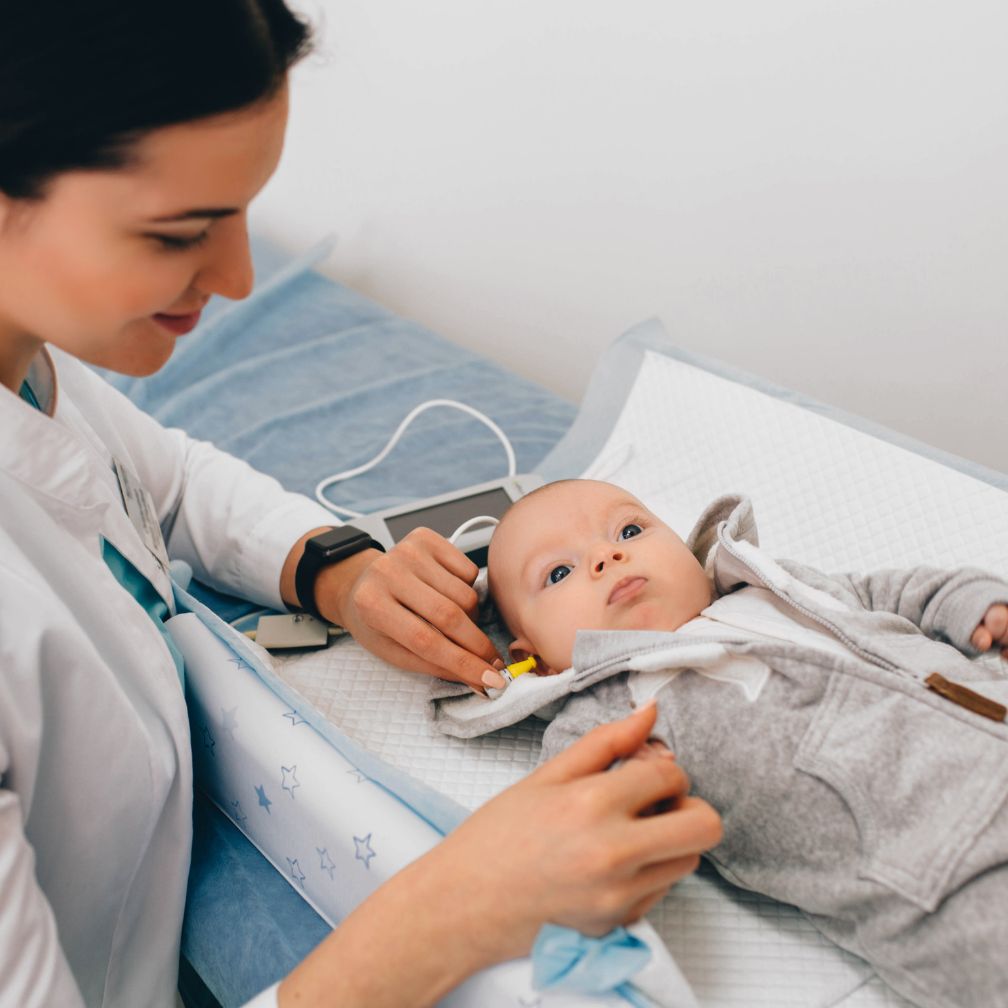
What serves as the chief goal for families? Swift clinical screening. As a result, babies within American hospitals complete screening procedures before heading home. Board-certified pediatric audiologists maintain the standardized “1-3-6” care benchmark:
- Preliminary screening completed within 1 month of birth
- Official hearing diagnosis established by 3 months of age
- Comprehensive management (employing modern technology or rehabilitation) initiated before 6 months of age
Achieving these critical milestones gives infants optimal opportunities for healthy speech, language, and brain development. When you need advice regarding these auditory evaluations, your trusted pediatrician stands ready to assist!
Understanding Amplification Devices for Infants
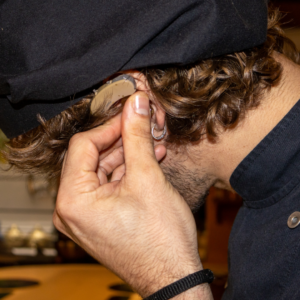
When addressing infants with mild to severe auditory impairment, programmed hearing aids generally provide the preferred initial approach. These small, specialized devices amplify surrounding audio, allowing infants to hear human speech and background noise much more clearly.
Tailored infant hearing instruments serve as:
- Officially approved and safe for young babies only a few weeks old
- Built using flexible, soft ear impressions that update as the baby matures
- Assembled with child-proof battery covers and child-focused protective mechanisms
- Individually calibrated by a trained pediatric audiologist to align with your baby’s unique hearing profile
Throughout early infant development, wearable hearing devices demand ongoing updates to guarantee proper fit and maximum performance.
Cochlear Implant Options for Newborns
Should an infant present with severe to profound sensorineural hearing loss and demonstrates limited success with standard amplification, medical teams often recommend a cochlear implant. In direct contrast to standard hearing aids, cochlear implant devices:
- Demand a dedicated surgical procedure for placement to enable direct neural stimulation
- Bypass damaged parts of the inner ear
- Process incoming sound into refined electrical impulses that stimulate the auditory nerve directly
State-of-the-art cochlear systems function as:
- Granted official FDA clearance for young patients starting at 9 to 12 months old
- Extremely effective when integrated with early speech therapy and active home engagement
- Recommended only after a complete clinical review by a certified audiologist and otolaryngologist
This evaluative framework encompasses temporal bone imaging, specialized auditory testing, and realistic discussions regarding long-term developmental milestones.
Hearing Aids vs. Cochlear Implants: What’s the Difference?
- Mild to severe hearing loss relies on Hearing Aids; Severe to profound levels of loss demand Cochlear Implants
- Non-Invasive acoustic positioning: Hearing Aids; Invasive surgical procedure: Cochlear Implants
- Physical sound amplification: Hearing Aids; Direct conversion to electrical signals: Cochlear Implants
- Application starts during early infancy: Hearing Aids; Starts at 9-12 Months: Cochlear Implants
Final Conclusions: Selecting the Right Path for Your Infant
If your newborn faces a confirmed hearing impairment diagnosis, you can rely on excellent technological options and dedicated care teams are available. With the help of pediatric hearing specialists, many children go on to develop language skills that are on par with their peers.
Irrespective of whether your child receives fitting for hearing aids or surgery for cochlear devices, prompt intervention creates a profound lifelong advantage.
Are you seeking answers about your child’s overall hearing wellness? Contact our clinical team today to obtain an exhaustive evaluation and custom-designed care plan.