
News & Events

Why Is My Tinnitus Louder at Night?

It’s been a long day, and there’s nothing you’re looking forward to more than a good night’s sleep. You finally climb into bed, the house goes quiet, and that’s when it happens: The ringing in your ear is suddenly impossible to ignore. If your tinnitus feels louder at night, you’re not imagining it. This exact

Decibel Levels on the Road: Understanding Car Noise and Hearing Loss Risk

You love your car. You would not exchange the open-road autonomy of driving for any alternative, yet your daily vehicle might be inflicting severe auditory damage. Let’s examine vehicle-related hearing loss and some simple solutions to prevent it. Convertibles Much like the other high-performance models featured in this guide, a classic convertible serves as a

White Noise in Your Ears? Here’s What It Could Mean

What causes that peculiar, unprompted sound that feels like ambient static or trapped air whispering in your ears? What explains the fact that you are the sole individual capable of detecting this frequency? You are not inventing these symptoms; the sensation is entirely real. Thankfully, this specific issue is distinct from “phantom ring syndrome,” a

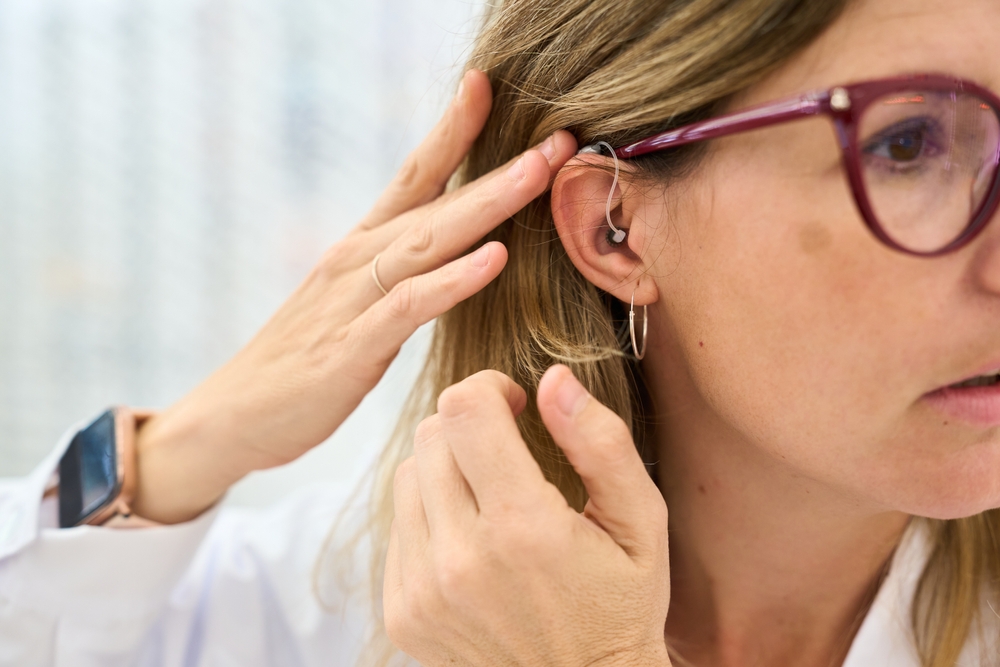
Contemporary Hearing Instruments: A Complete Departure From Legacy Devices

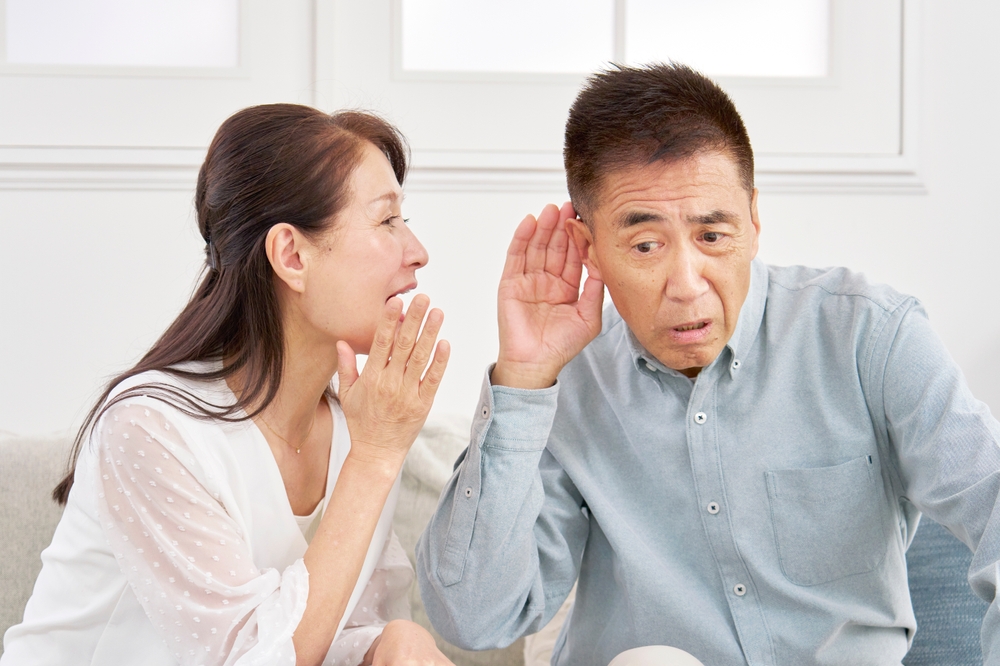
It is incredibly common for individuals to resist getting hearing instruments simply because they dread a bulky appearance or an uncomfortable fit. This hesitation is entirely valid given historical product designs! Furthermore, many individuals harbored deep anxieties about social isolation, fearing others would exclude them from discussions based on assumptions of cognitive decline or profound

Cognitive Hearing Loss: When the Brain Struggles to Hear

While common perception dictates that hearing is strictly an otological process, this represents only a fraction of the truth. But hearing is just as much a brain function as it is an ear function. Cognitive hearing refers to the specific neural capacity to decode and assign meaning to the acoustic signals captured by the ears.

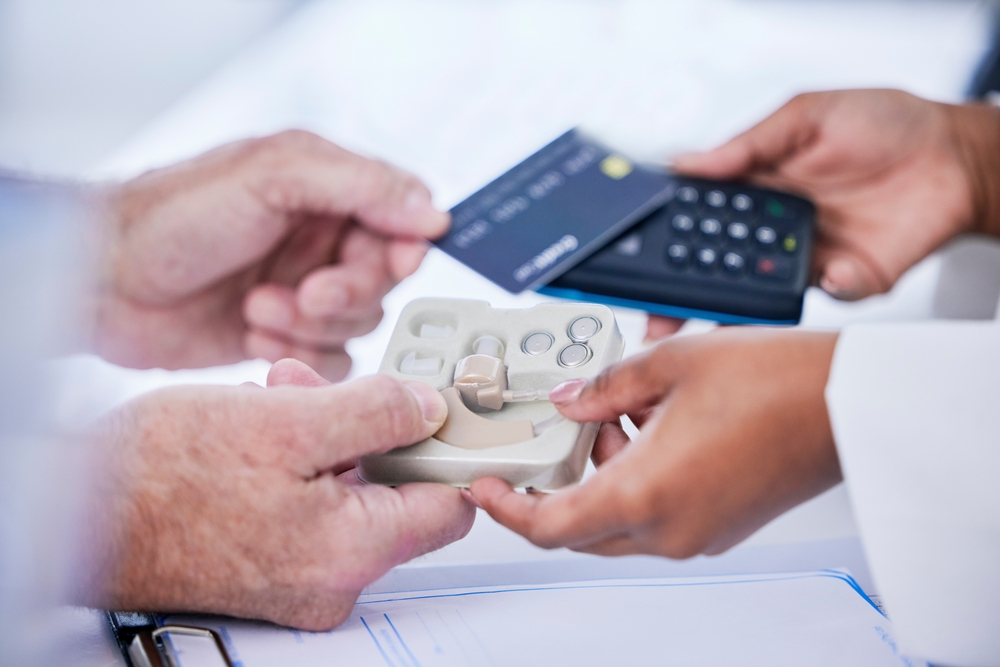
Navigating Financial Paths for Hearing Aids: Insurance, Pre-Tax Accounts, and Payment Plans

Patients researching therapeutic sound amplification often find that the initial acquisition expense stands out immediately. Based on the sophistication of the digital signal processing and the required audiometric programming, these devices span a wide pricing spectrum. Such a capital requirement often surprises families, leading them to prematurely halt their pursuit of better auditory health. The

Understanding Medicare Coverage for Hearing Aids: The Reality

Are hearing aids covered by Medicare? To be direct: they are not. Hearing aids are not covered under Original Medicare. We realize this is disappointing news, and it often comes as a surprise to many of our patients. On the bright side, you have other alternatives to consider. Options such as Medicare Advantage plans, flexible

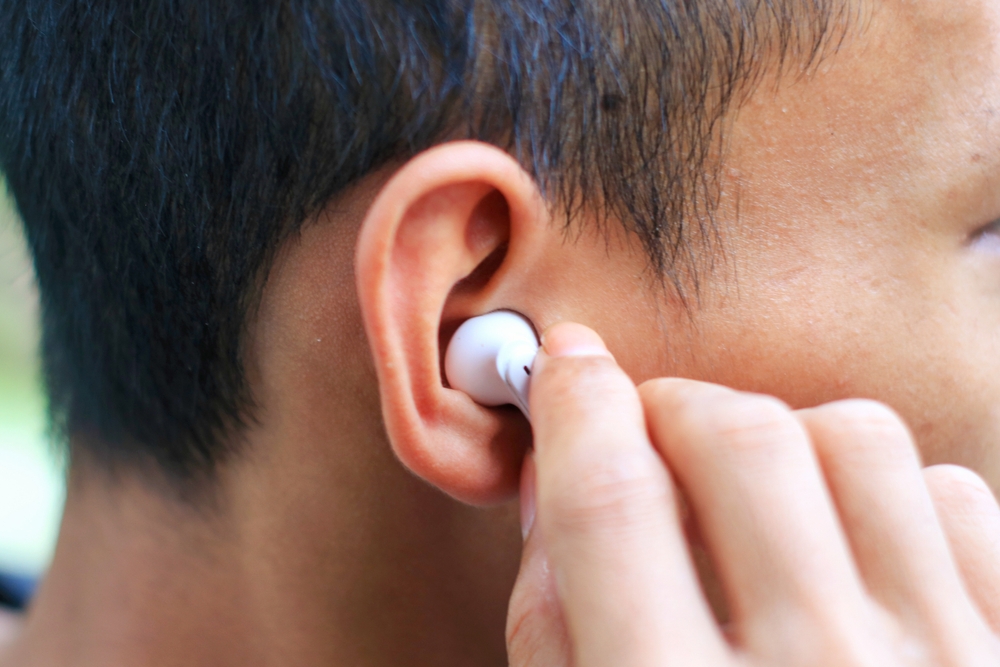
The Risk of Noise-Induced Hearing Loss from Personal Audio Devices

Rarely do we see a young adult in public without an earbud in their ears. Even with their larger footprint, headphones remain a popular choice for teenagers looking to disconnect from the world. Musical enjoyment knows no age limit, though the younger generation has integrated it more deeply into their daily transitions. Given their intimate

The Neurological Impact of Hearing Aids on Cognitive Health

It is common knowledge that ears detect sound, yet the central nervous system is what truly allows us to hear. Your ears collect sound, but your brain interprets it, turning vibrations into words, meaning, and memories. As hearing loss diminishes input, the brain struggles to maintain a high-fidelity connection to the environment. This reduction in

What is Auditory Fatigue?

Have you ever felt totally drained after a long conversation or social gathering? You might initially blame your exhaustion on general tiredness or a busy lifestyle. While social gatherings are inherently demanding for people with sensory sensitivities, there may be another factor at play. But in some cases, the cause is a lesser-known culprit: auditory

7 Widespread Hearing Loss Myths and the Medical Truths That Refute Them

Prevalent myths regarding hearing loss frequently act as a barrier to necessary audiological treatment. Proactive management of hearing loss ensures the best possible outcomes for auditory preservation. Accepting hearing myths as fact typically results in late-stage intervention and diminished communicative function. Separating hearing truths from common fallacies provides the confidence needed to address auditory changes.

Environmental Impacts on Auditory Clarity: Seasonal Shifts

Most people attribute hearing shifts to the aging process, yet environmental cycles play a pivotal role in ear health. If you perceive winter ear-blocking or heightened summer sensitivity, these are recognized clinical patterns. Variations in seasonal hearing loss symptoms are standard clinical findings related to changing outdoor and indoor environments. Luckily, understanding how each season